

In 2025, the convergence of blockchain technology and the global reinsurance sector is no longer theoretical. It is a data-driven reality, with institutional Web3 capital now actively underwriting real-world risk alongside licensed insurers. This transformation is not just incremental; it is fundamentally reshaping how risk, collateral, and yield are accessed and distributed across both traditional and digital financial markets.
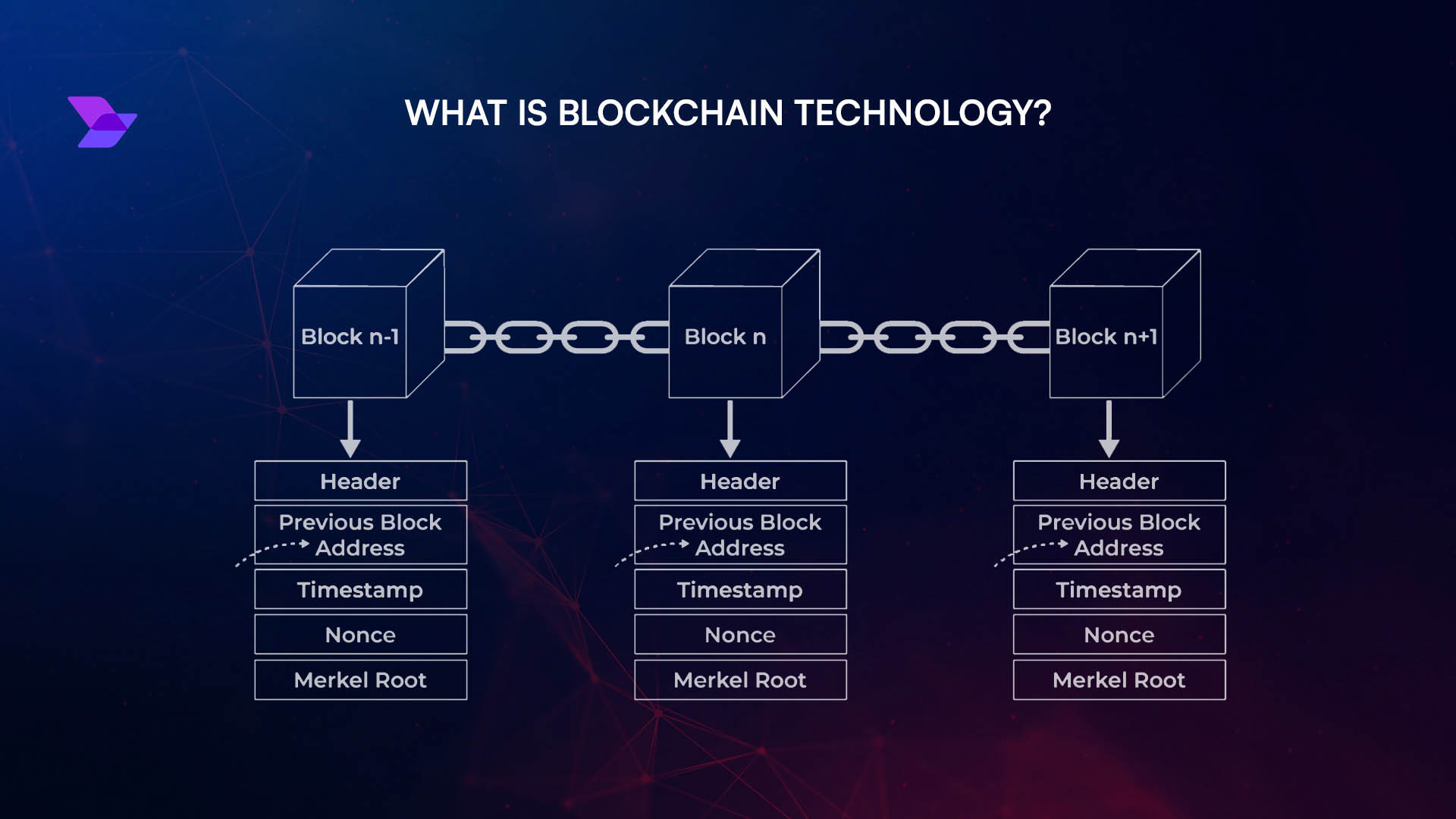
Tokenization: The New On-Ramp for Reinsurance Capital
The most significant breakthrough in on-chain reinsurance this year has been the tokenization of insurance-linked securities (ILS) and reinsurance contracts. Platforms like OnRe have pioneered regulated, on-chain models that allow investors to participate in the $750 billion global reinsurance market via blockchain infrastructure. Their ONe token stands out as a yield-bearing asset whose value is directly linked to total value locked (TVL) on the platform - a transparent metric reflecting actual underwriting activity rather than speculative hype.
This model offers three distinct yield streams: returns from reinsurance performance, collateral yield, and native token incentives. The result? Scalable access for both crypto-native funds and traditional institutions seeking uncorrelated returns in a market previously dominated by specialist players. For more on how these protocols are transforming collateral management and transparency, see this analysis.
Licensed Insurers Embrace Blockchain Infrastructure
The narrative that blockchain is only for unregulated or fringe players has been firmly debunked in 2025. Major licensed reinsurers such as Oxbridge Re Holdings Limited have entered the space with fully regulated offerings. Through its subsidiary SurancePlus, Oxbridge now offers tokenized reinsurance securities backed by real-world contracts - including EtaCat Re (20% target annual return) and ZetaCat Re (42% projected return). Investors receive 3.5% APY until these contracts become live, providing stable yield during ramp-up periods.
This approach bridges compliance with innovation. Digital asset investors gain access to institutional-grade risk pools without abandoning regulatory safeguards; meanwhile, insurers tap into new channels of capital formation that are faster and more transparent than legacy systems allow.
LSEG and MembersCap: Institutional-Grade Market Infrastructure Goes On-Chain
The London Stock Exchange Group’s (LSEG) launch of a blockchain-based market infrastructure in partnership with Members Capital Management marks another inflection point for blockchain reinsurance 2025. MembersCap’s MCM Fund I - a tokenized reinsurance fund - provides direct exposure to natural catastrophe and cyber risk through regulated contracts sourced from global partners. This structure delivers high-yield opportunities with structured liquidity while insulating investors from typical DeFi volatility.
LSEG’s involvement signals mainstream validation of decentralized market rails for real-world assets (RWAs). Issuance, trading, and settlement processes are streamlined via smart contracts, reducing operational friction while enhancing transparency for all stakeholders.
Democratizing Access and Efficiency in Risk Transfer
The cumulative effect of these innovations is clear: barriers between Web3 capital pools and licensed insurers are dissolving fast. Tokenization democratizes access to what was once an opaque asset class reserved for specialists; smart contracts automate claims payments and collateral management; multichain protocols enable cross-chain insurance pools with over $130 million already deployed across Ethereum, Polygon, and BNB Chain networks according to recent statistics.
This new paradigm in decentralized reinsurance platforms not only unlocks liquidity but also injects much-needed transparency into global risk transfer markets.
For institutional allocators and crypto-native investors alike, the implications are profound. On-chain reinsurance platforms now offer exposure to diversified risk, catastrophe, cyber, and parametric, while providing real-time reporting and automated settlements. The days of opaque, quarterly disclosures are fading; instead, capital providers can monitor portfolio performance and collateralization status directly on-chain, with immutable audit trails underpinning every transaction.
Crucially, these advances are not just theoretical or limited to pilot programs. As of November 2025, OnRe’s ONe token ecosystem is fully operational with TVL metrics transparently published on-chain, while MembersCap’s tokenized ILS fund has completed its first deployment on regulated venues like Archax. The result: a surge in institutional participation from both sides of the aisle, traditional insurers seeking new capital sources and Web3 treasuries searching for yield uncorrelated with crypto market cycles.
Risk Management Reimagined: Smart Contracts and Automated Claims
At the heart of this transformation is the migration of core insurance functions onto smart contracts. Automated underwriting, collateral locking, and claims adjudication are now governed by deterministic code rather than manual processes. This not only slashes administrative overhead but also reduces moral hazard, a persistent problem in legacy reinsurance markets.
Platforms like SurancePlus and OnRe have implemented programmable triggers for catastrophe events using decentralized oracles. When a qualifying event occurs (e. g. , hurricane landfall), claims are settled instantly based on pre-agreed parameters, eliminating disputes and ensuring that capital flows exactly where it is needed. For a technical deep dive into how these protocols leverage blockchain to deliver real-world insurance yields, see this guide.
Challenges Ahead: Regulation, Liquidity, and Market Depth
Despite rapid progress, several friction points remain. Regulatory harmonization across jurisdictions is still evolving; while Bermuda and Cayman Islands lead in licensing tokenized reinsurance vehicles, US and EU frameworks lag behind in clarity for security tokens linked to real-world assets (RWAs). Liquidity is improving but remains concentrated among early adopters; secondary trading venues like Archax represent critical infrastructure but require broader participation to deepen order books.
Market participants must also navigate counterparty risk as protocols scale. While on-chain transparency mitigates some concerns around solvency and reserve adequacy, robust third-party audits, and ongoing regulatory oversight, are essential for maintaining trust as more capital flows into these hybrid structures.
What Comes Next?
The trajectory for on-chain reinsurance is set: continued convergence between DeFi capital pools and licensed insurers will drive innovation in product design, risk modeling, and investor access throughout 2026. Expect further integration with global financial market infrastructure as LSEG-style systems proliferate across both primary issuance and secondary trading of tokenized risk instruments.
Ultimately, this shift represents more than just technological progress, it signals a fundamental evolution in how society prices risk at scale. By leveraging blockchain’s transparency and programmability alongside established regulatory regimes, the industry is poised to deliver safer returns for investors while expanding coverage options for businesses facing emerging risks such as cyber threats or climate volatility.
The winners will be those who adapt quickly, combining rigorous risk management discipline with an openness to technical innovation. For those looking to understand how smart contracts are being deployed across live reinsurance pools today, visit our comprehensive overview at this resource.




No comments yet. Be the first to share your thoughts!