

In the evolving landscape of DeFi reinsurance capital, protocols like Re are bridging traditional insurance premiums with blockchain efficiency, offering investors targeted yields from real-world reinsurance premiums. As we look toward 2026, Re's tokenized products such as reUSD and reUSDe stand out, delivering net yields from 6% to 23% backed by actual underwriting performance. This isn't speculative crypto farming; it's disciplined risk transfer tokenized on-chain.

Re protocol reinsurance has scaled impressively, underwriting over $191.6 million in premiums in 2025 alone, achieving a combined ratio of 92%. This metric, familiar to traditional reinsurers, signals profitability: for every dollar in premiums, claims and expenses totaled just 92 cents. Investors in on-chain reinsurance yield products now access this performance without opaque legacy contracts.
Re's Dual Capital Stack: Basis-Plus Stability vs. Enhanced Returns
The Re protocol structures its offerings around positions in the capital stack, catering to varying risk appetites. reUSD, positioned as Basis-Plus, targets ~6-9% and net yield. It combines stable collateral returns with reinsurance premiums, minimizing volatility exposure. Live data shows similar products like reUSDe yielding 12% recently, though averages hover around 7.6% depending on market conditions.
Reinsurance yield is no longer trapped in legacy contracts; it can now move, trade, and be programmed, without losing underwriting discipline. (Re on X)

Higher up the stack, riskier tranches push toward 23% APY, appealing to yield optimists. Yet, the math favors caution: Re's 2025 expansion across Avalanche and Base, plus partnerships with Pendle, Ethena Labs, and Morpho, underscores diversified risk pools. Institutional capital deployed reached $134 million across programs, proving demand for this reUSD yield 2026 potential.
Tokenized Premiums: From Auto Policies to On-Chain Collateral
What sets Re apart in DeFi reinsurance capital is its connection to tangible insurance risks, like auto and homeowners policies. Premiums flow into smart contracts, collateralized fully, yielding ONyc-like assets on Solana or permissioned frameworks on Avalanche. Investors earn from both premium accruals and collateral efficiency, with granular visibility into risks via on-chain transparency.
This structure deployed $134 million in reinsurance capital by late 2025, unlocking yields previously locked in regulated silos. For 2026, expect reUSD to anchor conservative portfolios, while enhanced products capture protocol growth. The 92% combined ratio validates the model's resilience, even amid crypto market swings.
Quantifying 2026 Opportunities: Growth Projections and Risk Metrics
Projecting into 2026, Re's trajectory suggests sustained premium inflows exceeding 2025's $191.6 million, driven by multi-chain adoption. Yields remain anchored to real-world assets: reinsurers cede frequency risks (non-catastrophic claims) for stable 8-15% returns, tokenized for composability. Compare this to traditional reinsurance, where opacity erodes trust; Re's smart contracts enforce discipline.
Investors should parse the combined ratio meticulously. At 92%, Re outperforms many incumbents, implying 8% profit margins before fees. Layer in collateral yields from USDC or stables, and on-chain reinsurance yield compounds predictably. Yet, diligence is key: monitor deployment updates and partnership yields, as Avalanche's permissioned pools target institutions wary of retail volatility.
Explore how these yields stem from auto and homeowners premiums, a cornerstone of Re's portfolio. As blockchain reinsurers like Re mature, the capital stack democratizes access without diluting underwriting rigor.
Layering positions strategically unlocks compounded returns. For instance, Basis-Plus holders in reUSD capture baseline premiums plus collateral drift, while senior tranches like reUSDe layer on excess spread from deployments. This modular approach, refined across 2025's $134 million capital raise, positions Re protocol reinsurance for institutional inflows in 2026.
Navigating Entry: Practical Steps for Yield Capture
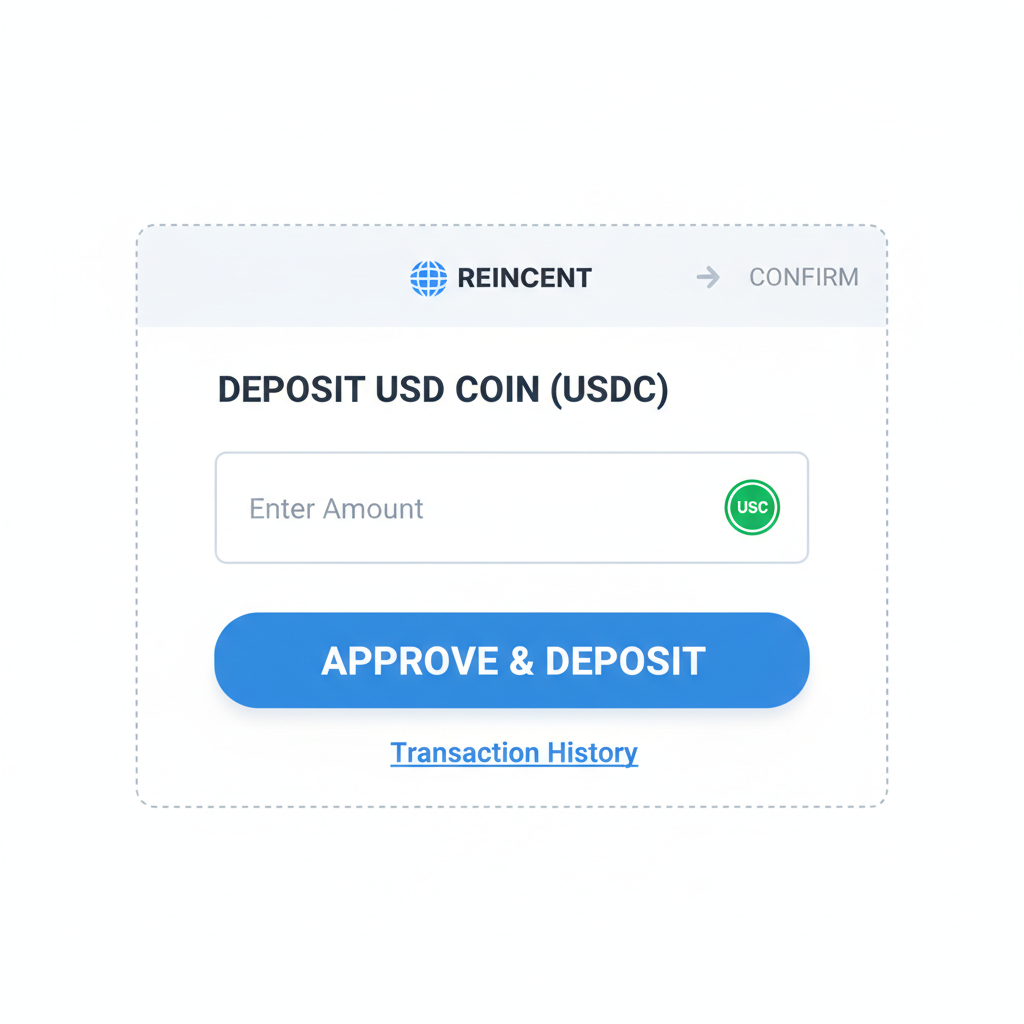
Accessing these opportunities demands precision over speculation. Start with audited interfaces on Re. xyz, where USDC deposits mint yield-bearing tokens instantly. Multi-chain support on Avalanche and Base minimizes gas friction, while permissioned pools shield from retail noise. Yields accrue daily, redeemable or composable with Pendle for fixed-rate locks.
Deposit into Re Protocol: Earn 6-23% Yields from On-Chain Reinsurance




Once positioned, track key metrics: premium velocity, collateral utilization, and tranche health. Re's dashboard reveals real-time combined ratios, empowering data-driven rotations between Basis-Plus safety and enhanced upside. This isn't passive holding; it's active capital allocation informed by on-chain verifiability.
Yield Trajectories: Data-Backed Projections for 2026
Extrapolating from 2025's 92% combined ratio and $191.6 million premiums, conservative models forecast reUSD stabilizing at 7-10% amid scaling. Enhanced products could touch 15-20% if partnerships with Ethena and Morpho boost liquidity. These aren't guesses; they're derived from deployment trends and risk pool diversification.
reUSD Yield Prediction 2027-2032
Projected annual yields for reUSD, the low-risk senior tranche in Re protocol's on-chain reinsurance structure, based on premium growth, historical 92% combined ratio, and increasing adoption
| Year | Minimum Yield (%) | Average Yield (%) | Maximum Yield (%) | Avg YoY Change (%) |
|---|---|---|---|---|
| 2027 | 6.5% | 9.0% | 12.0% | +5.9% |
| 2028 | 7.0% | 10.0% | 13.5% | +11.1% |
| 2029 | 7.5% | 11.0% | 15.0% | +10.0% |
| 2030 | 8.0% | 12.0% | 16.5% | +9.1% |
| 2031 | 8.5% | 13.0% | 18.0% | +8.3% |
| 2032 | 9.0% | 14.0% | 20.0% | +7.7% |
Price Prediction Summary
reUSD yields are forecasted to rise steadily from an average of 9.0% in 2027 to 14.0% by 2032, supported by scaling reinsurance premiums, technological improvements, and broader DeFi integration. Minimum yields reflect bearish scenarios with higher claims or competition, while maximums capture bullish growth from institutional inflows and low catastrophe losses. Overall outlook remains positive with progressive year-over-year gains.
Key Factors Affecting reUSD Price
- Growth in on-chain reinsurance premiums and TVL from multi-chain expansions (Avalanche, Base, Solana)
- Sustained combined ratio ~92% through advanced risk modeling and collateralization
- Regulatory tailwinds for RWA protocols enabling institutional capital inflows
- Strategic partnerships (e.g., Pendle, Ethena, Morpho) boosting liquidity and composability
- Crypto market cycles: Bull markets increase yield-seeking capital; bears may stabilize senior yields
- Competition from emerging reinsurance protocols potentially capping upside
- Technology upgrades improving capital efficiency and reducing tail risks
Disclaimer: Cryptocurrency price predictions are speculative and based on current market analysis. Actual prices may vary significantly due to market volatility, regulatory changes, and other factors. Always do your own research before making investment decisions.
Factor in macroeconomic tailwinds: rising insurance demand from climate events funnels more real-world reinsurance premiums on-chain. Re's structure captures this without direct catastrophe bets, focusing on frequency risks for steadier accrual. Compare to DeFi baselines; these yields embed underwriting edge absent in pure lending protocols.
"2025 was the year Re proved that reinsurance works on-chain. " (Re Protocol on LinkedIn, recapping $191.6M premiums)
Risks persist, of course. Smart contract vulnerabilities, though mitigated by audits, loom; regulatory scrutiny on tokenized insurance could cap growth. Yet, Re's regulated on-chain framework, blending compliance with programmability, mitigates these. Investors yielding 6-23% must stress-test against drawdowns, ensuring positions align with liquidity needs.
Dig deeper into the mechanics via tokenized reinsurance yields. As protocols iterate, expect refined tranches and broader RWA integrations, cementing on-chain reinsurance as a portfolio staple. With $134 million already deployed and momentum building, 2026 favors those who trust the math: transparent premiums, verifiable collateral, and yields that compound across cycles.
The shift is underway. Traditional reinsurers eye blockchain for efficiency; DeFi natives seek real-world ballast. Re threads this needle, delivering DeFi reinsurance capital that's battle-tested. Position accordingly, monitor rigorously, and let disciplined underwriting drive returns.




No comments yet. Be the first to share your thoughts!