

In a market where DeFi yields often feel detached from tangible economic activity, the integration of Re Protocol's on-chain reinsurance with Pendle offers a compelling bridge to real-world premiums. With Pendle (PENDLE) trading at $1.17, up 0.86% over the last 24 hours from a low of $1.15 and high of $1.28, investors are eyeing this synergy for stable, institutional-grade returns rooted in regulated insurance markets. Re Protocol's expansion on Avalanche introduces reUSD and reUSDe, channeling blockchain capital into reinsurance treaties while Pendle tokenizes those yields for advanced trading strategies.
This isn't just another yield farm; it's a strategic fusion of transparency and regulatory compliance. Licensed insurers partner with Re's off-chain counterparties for reinsurance contracts, with every allocation, claim, and payout tracked on-chain. The result? Capital allocators gain exposure to U. S. insurance lines like homeowners, auto, and workers' comp, backed by fully collateralized reserves. Pendle's permissionless framework elevates these on-chain reinsurance yields into tradable assets, allowing users to separate principal from yield and hedge or speculate accordingly.
Re Protocol's Blueprint for Blockchain Reinsurance Premiums
At its core, Re Protocol transforms reinsurance from opaque backroom deals into a blockchain-native workflow. On-chain capital flows into real-world treaties via surplus notes and collateralized reserves, verified by oracles for unassailable transparency. This setup appeals to institutional players wary of DeFi's wild swings, offering principal protection alongside yields that outperform traditional risk-free rates.
Consider reUSD, Re's Basis-Plus product: a yield-accruing stablecoin that dynamically tracks the higher of the risk-free rate plus 250 basis points or the Ethena basis-trade yield plus 250 bps. Deployed off-chain to bolster regulatory capital, it redeems on-chain with full backing. Meanwhile, reUSDe (Insurance Alpha) taps directly into insurance economics, delivering premiums from diversified U. S. lines. These aren't synthetic constructs; they're compliant products seamlessly integrated into Avalanche's ecosystem, proving blockchain can host regulated finance without compromise.
Re's model ensures every dollar in reinsurance is auditable, turning insurance risk into a composable DeFi primitive.
The Re Points Program sweetens early adoption, accruing points for future rewards and underscoring Re's commitment to long-term liquidity providers. In a landscape flooded with fleeting APYs, this data-driven approach prioritizes sustainability over hype.

Pendle's Yield Tokenization Supercharges Re Protocol Returns
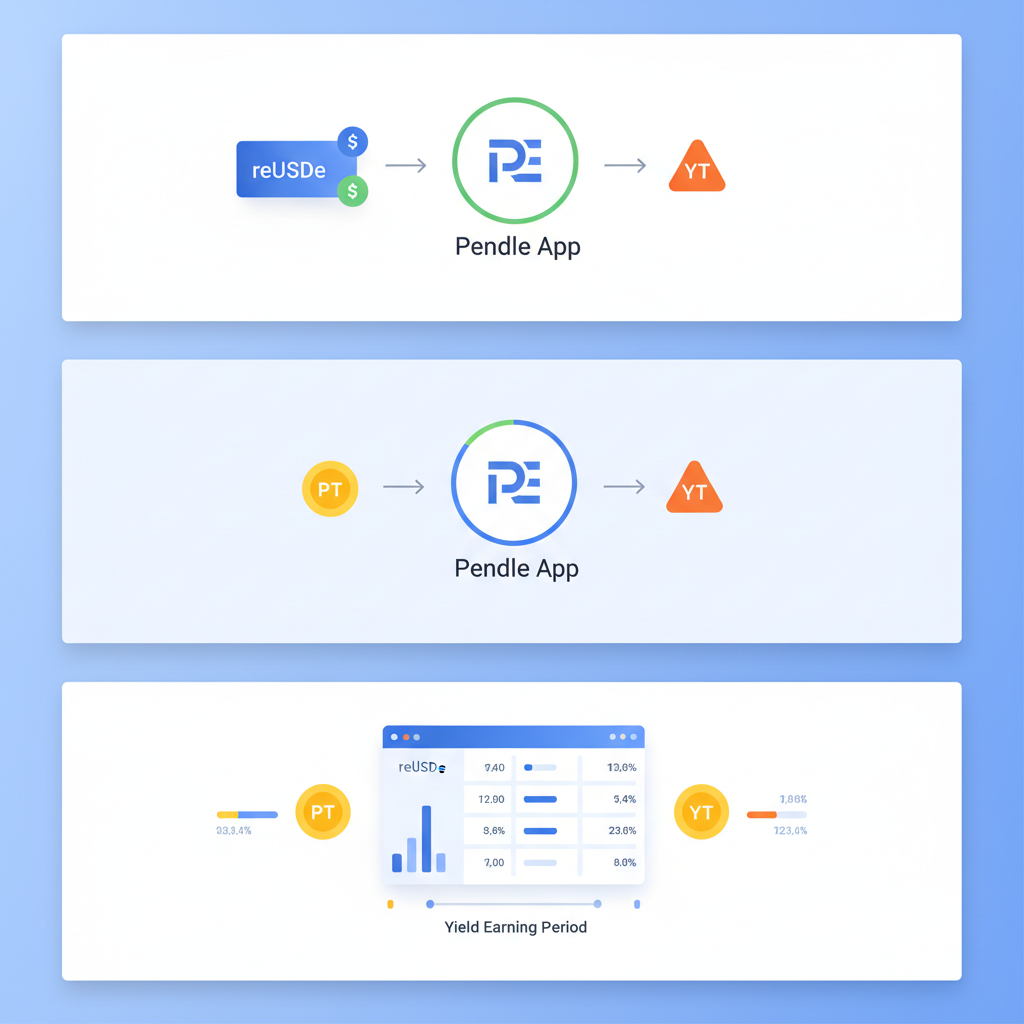
Pendle redefines yield management by splitting yield-bearing assets into Principal Tokens (PT) and Yield Tokens (YT). For Re Protocol users, this means tokenizing reUSD or reUSDe yields, trading them on Pendle's AMM like any asset. Protocols can't artificially inflate yields here; markets set fixed or variable rates transparently, empowering strategic plays like long-duration yield locks or shorting expected drops.
Imagine holding reUSDe for insurance alpha, then selling its YT on Pendle to capture upfront premiums while retaining principal exposure. Or locking PTs for discounted entry into reUSD's floored returns. This modularity aligns perfectly with Re Protocol Pendle dynamics, where real-world reinsurance premiums become liquid, tradable instruments. vePENDLE holders steer liquidity incentives, ensuring deep markets for these niche yields.
- Tokenization unlocks secondary markets for reinsurance exposure.
- Users execute yield curves, fixed-rate swaps, or leveraged bets.
- On-chain tracking eliminates counterparty risk in claims processing.
Strategically, this integration positions Re as a yield powerhouse. With Pendle's modular design, DeFi reinsurance returns scale globally, drawing institutional capital to Avalanche. Early data shows robust demand, as allocators pivot from volatile crypto yields to these anchored alternatives.
Strategic Advantages of reUSD and reUSDe in a Pendle World
reUSD stands out for its principal protection, accruing yields that benchmark against safe havens yet capture basis trade upside. At current rates, it floors returns above traditional treasuries, with oracle-verified collateral ensuring redemption parity. reUSDe, conversely, embraces insurance volatility for higher alpha, drawing from granular lines backed by on-chain reserves.
Pendle amplifies both: YT holders harvest premiums outright, while PT minimizes duration risk. For portfolio managers, this composability rivals ILS funds but with blockchain speed and 24/7 access. Re's Avalanche deployment mitigates congestion, aligning with Pendle's multi-chain ambitions.
Pendle (PENDLE) Price Prediction 2027-2032
Forecast based on Re Protocol integration for on-chain reinsurance yields, Pendle yield tokenization, and institutional adoption momentum
| Year | Minimum Price ($) | Average Price ($) | Maximum Price ($) | YoY % Change (Avg) |
|---|---|---|---|---|
| 2027 | $1.40 | $2.20 | $3.80 | +57% |
| 2028 | $1.90 | $3.50 | $6.00 | +59% |
| 2029 | $2.70 | $5.20 | $9.00 | +49% |
| 2030 | $3.80 | $7.80 | $13.00 | +50% |
| 2031 | $5.30 | $11.50 | $18.00 | +47% |
| 2032 | $7.60 | $16.50 | $25.00 | +43% |
Price Prediction Summary
Pendle (PENDLE) is positioned for strong growth from its current $1.17 price, driven by Re Protocol's on-chain reinsurance yields (reUSD, reUSDe) on Avalanche. Short-term targets ($1.20-$1.30) lead to medium-term $1.50, with long-term bullish potential reaching $25 by 2032 in adoption scenarios. Minimums reflect bearish market cycles or regulatory delays; maximums assume full institutional integration and DeFi boom.
Key Factors Affecting Pendle Price
- Re Protocol integration channeling real-world reinsurance premiums on-chain via Pendle
- Institutional-grade yields from reUSD (basis-plus) and reUSDe (insurance alpha)
- Avalanche ecosystem expansion and permissioned on-chain frameworks
- Pendle's yield tokenization and trading protocol maturity
- Crypto market cycles, Bitcoin halvings, and DeFi yield market growth
- Regulatory developments for blockchain insurance and reinsurance
- Competition from Ethena and other yield protocols
- Technology improvements in transparent, collateralized on-chain assets
Disclaimer: Cryptocurrency price predictions are speculative and based on current market analysis. Actual prices may vary significantly due to market volatility, regulatory changes, and other factors. Always do your own research before making investment decisions.
Early participants via the Points Program position for airdrops, blending immediate yields with token upside. As Pendle hovers at $1.17, this pairing signals a maturing DeFi primitive: blockchain reinsurance premiums that reward patience and precision.
Navigating these products demands understanding their risk profiles. reUSD suits conservative allocators seeking ReUSD stablecoin stability, while reUSDe fits those comfortable with insurance cycles. Pendle's tools let you tailor exposure granularly, from outright longs to hedged positions.
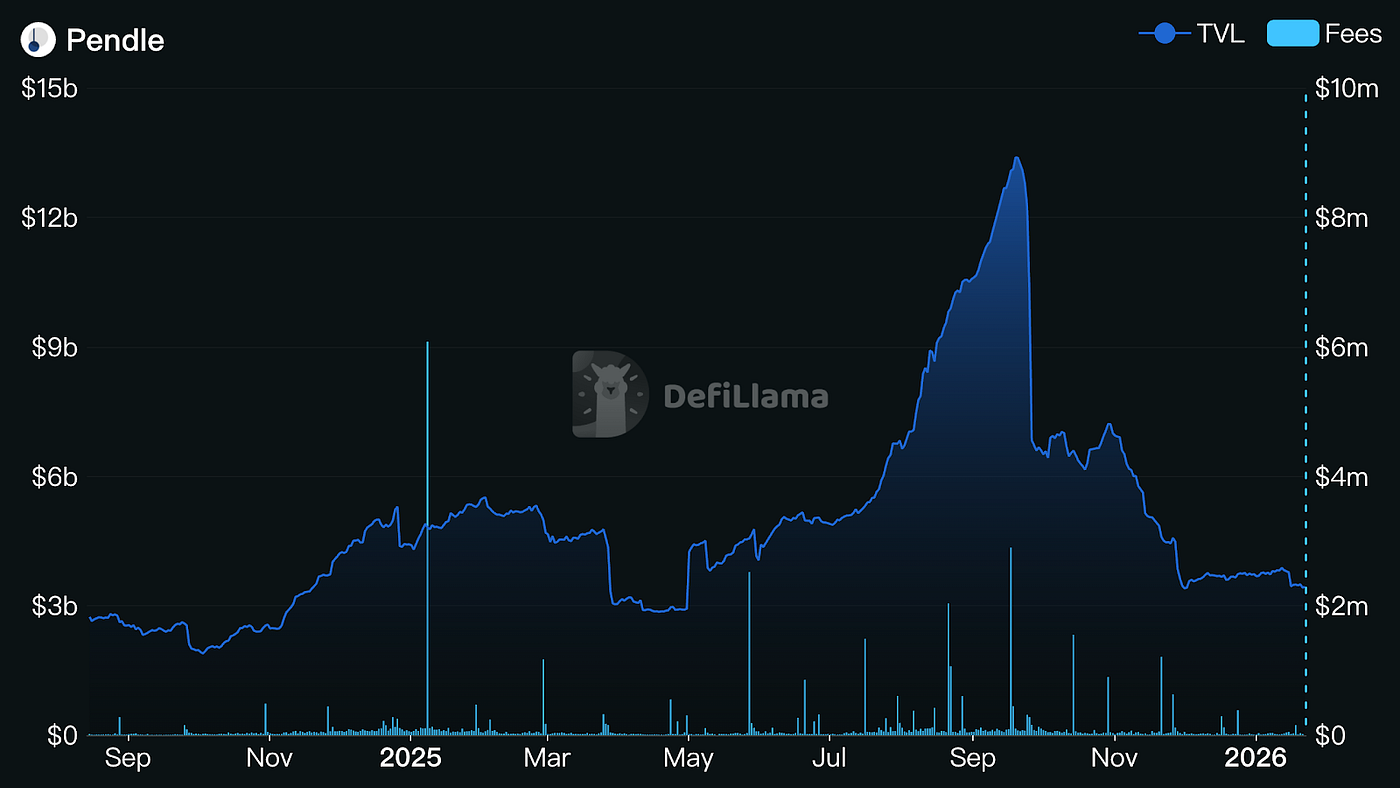
Layering Pendle's vePENDLE governance adds another dimension, where voting power directs emissions toward high-quality pools like those for reUSD and reUSDe. This aligns incentives strategically, favoring protocols with real-world backing over speculative farms. As Pendle trades at $1.17, its 24-hour gain of 0.86% reflects growing conviction in such integrations, with liquidity deepening on Avalanche.
Implementing Re Protocol Pendle Strategies: A Step-by-Step Playbook
Capital allocators can now operationalize these opportunities with precision. The fusion demands a measured approach, balancing reinsurance stability against yield tokenization's flexibility. reUSD offers a bedrock for fixed-rate strategies, while reUSDe unlocks alpha for those modeling insurance seasonality.
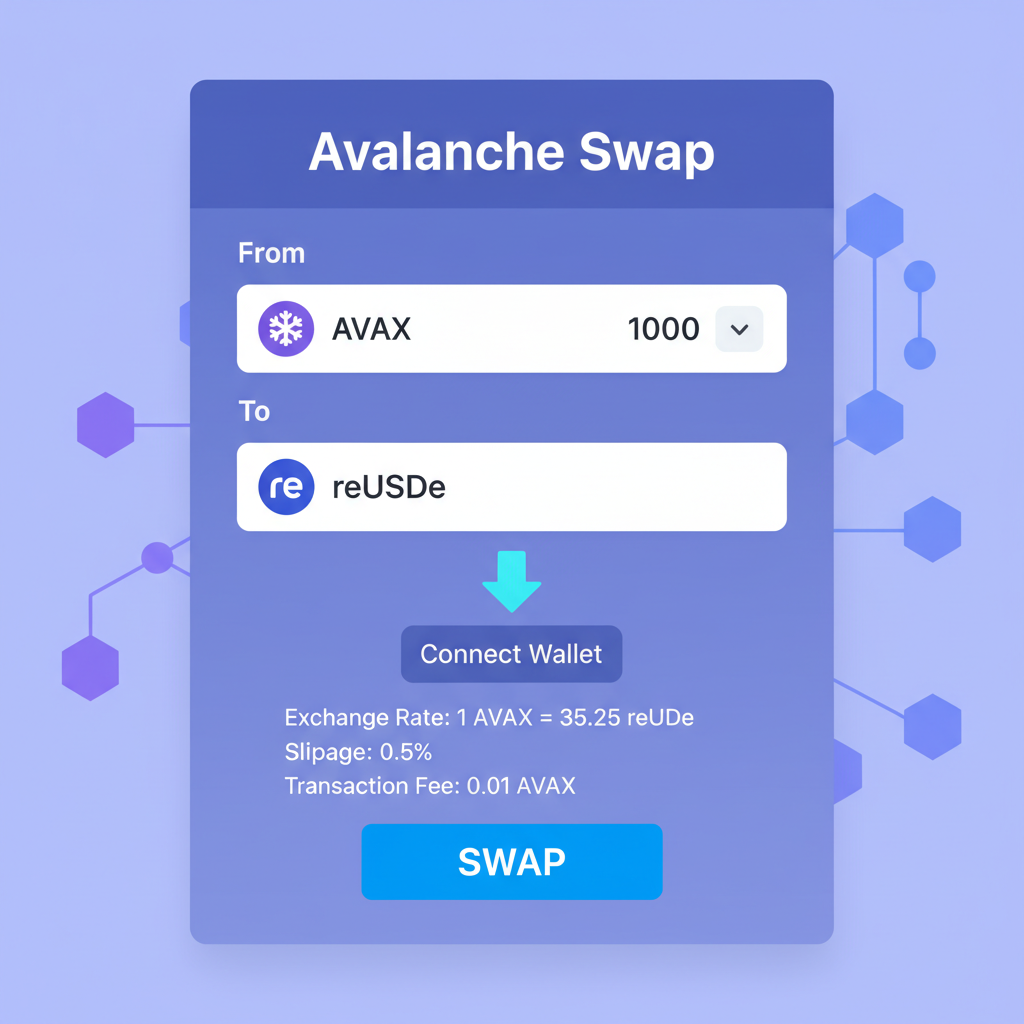
Unlock Reinsurance Yields: Deposit reUSDe into Pendle on Avalanche
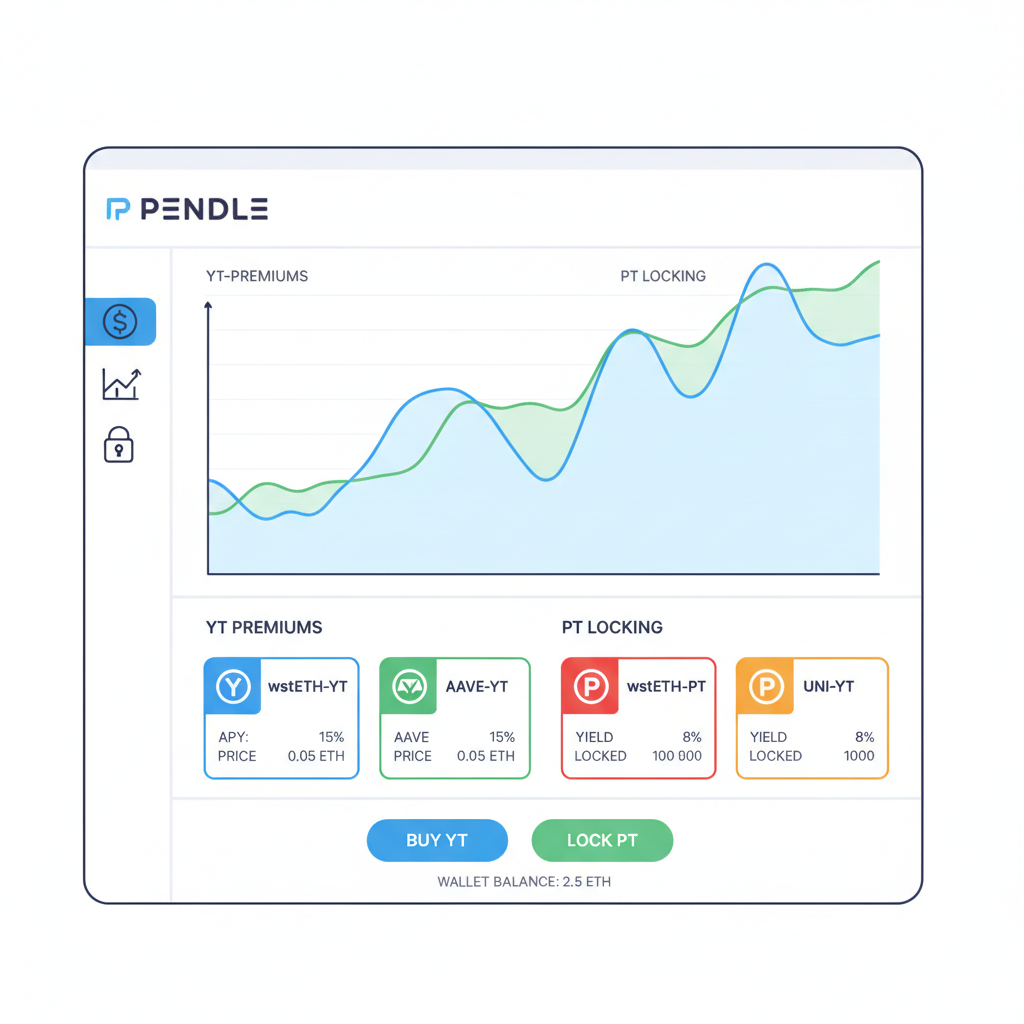
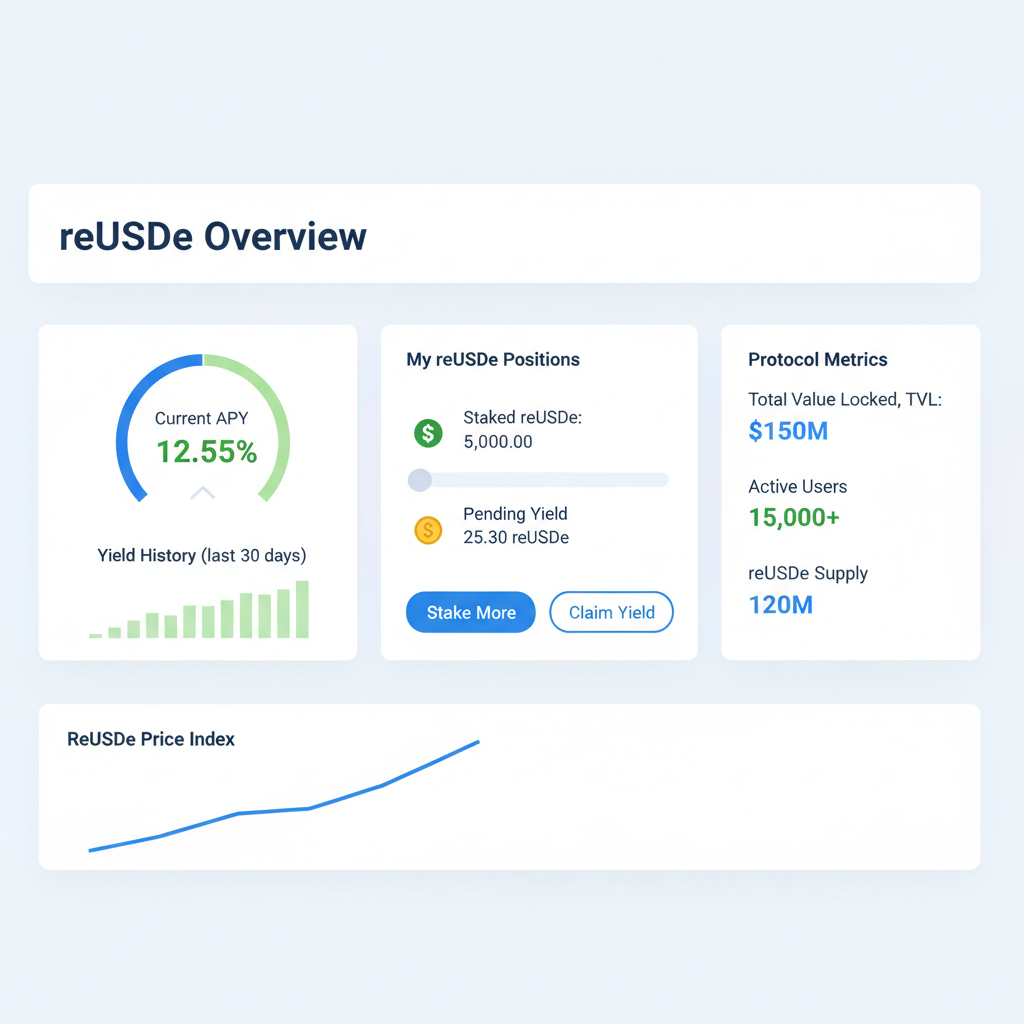

From a portfolio lens, allocate 20-30% to reUSD PTs for duration convexity, hedging against rate hikes. Pair reUSDe YTs with shorts on correlated assets like property indices, capturing spreads empirically validated in historical ILS data. This isn't guesswork; Re's on-chain verifiability lets quants backtest against live claims flows.
Risks warrant scrutiny. Insurance lines in reUSDe face catastrophe tail events, though diversified reserves and surplus notes cap drawdowns. Pendle's fixed-rate markets introduce basis risk if yields pivot sharply, but oracle transparency mitigates. Principal protection in reUSD shines here, flooring losses at zero nominal. At $1.17, Pendle's valuation embeds these dynamics, trading at metrics suggesting undervaluation relative to tokenized yield TVL growth.

Quantifying DeFi Reinsurance Returns in Today's Market
Current yields paint a bullish picture. reUSD's floor exceeds 5% annualized, outpacing treasuries by 250 bps amid sticky rates. reUSDe targets 8-12% from U. S. lines, with on-chain reserves exceeding 150% collateralization per latest attestations. Pendle markets price YT premiums at 10-15% implied APY for six-month tenors, reflecting reinsurance's low correlation to crypto volatility.
| Product | Yield Floor | Risk Profile | Pendle Utility |
|---|---|---|---|
| reUSD | Risk-free and 250 bps | Principal Protected | Fixed-rate PT locks |
| reUSDe | Insurance Alpha | Moderate Volatility | YT premium selling |
These figures, rooted in Re's transparent reporting, position on-chain reinsurance yields as a diversification staple. Institutional inflows via Avalanche's compliance rails accelerate adoption, with Points Program multipliers compounding early stakes.
For senior managers like myself, this integration resolves DeFi's yield paradox: high returns without opacity. Re Protocol channels blockchain efficiency into trillion-dollar insurance pools, Pendle liquifies the upside. As markets mature, expect reUSD to anchor stablecoin ladders, reUSDe to fuel active strategies. With Pendle steady at $1.17, the compounding power of blockchain reinsurance premiums invites allocators to rethink risk premia entirely.




No comments yet. Be the first to share your thoughts!