

Crypto exchanges face relentless pressure from volatile markets, where a single black swan event can wipe out billions in trading positions. With Solana's Binance-Peg SOL trading at $84.70 after a 4.39% dip over the past 24 hours, exchanges need robust tools to hedge against such swings. Enter on-chain reinsurance pools on Solana, spearheaded by OnRe, the world's first fully licensed on-chain reinsurance company. These pools allow exchanges to offload crypto trading risks into transparent, yield-generating structures backed by real-world insurance premiums and collateral returns.
OnRe bridges the $750 billion global reinsurance market with DeFi, letting users deposit sUSDe, a staked version of Ethena's USDe stablecoin, into diversified pools on Solana. Backed by heavyweights like Ethena Labs, Solana Ventures, and RockawayX, OnRe's native ONe token launched in May 2025, promising over 30% returns in bull markets and 8% in bears. Yields stem from reinsurance premiums, sUSDe collateral gains, and ONRE incentives, all overseen by an insurance committee featuring actuaries from Willis Towers Watson.
OnRe's Tokenized Products: reUSDe and reUSD Breakdown
At the core of OnRe's offering are two flagship products: reUSDe, the higher-risk alpha play targeting 15-23% yields, and reUSD, the conservative option at 6-9%. These aren't speculative bets; they're collateralized by yield-bearing assets underwriting actual reinsurance programs. For crypto exchanges, this means crypto exchange reinsurance that's automated and verifiable on-chain, disrupting the opaque, paper-based legacy system.
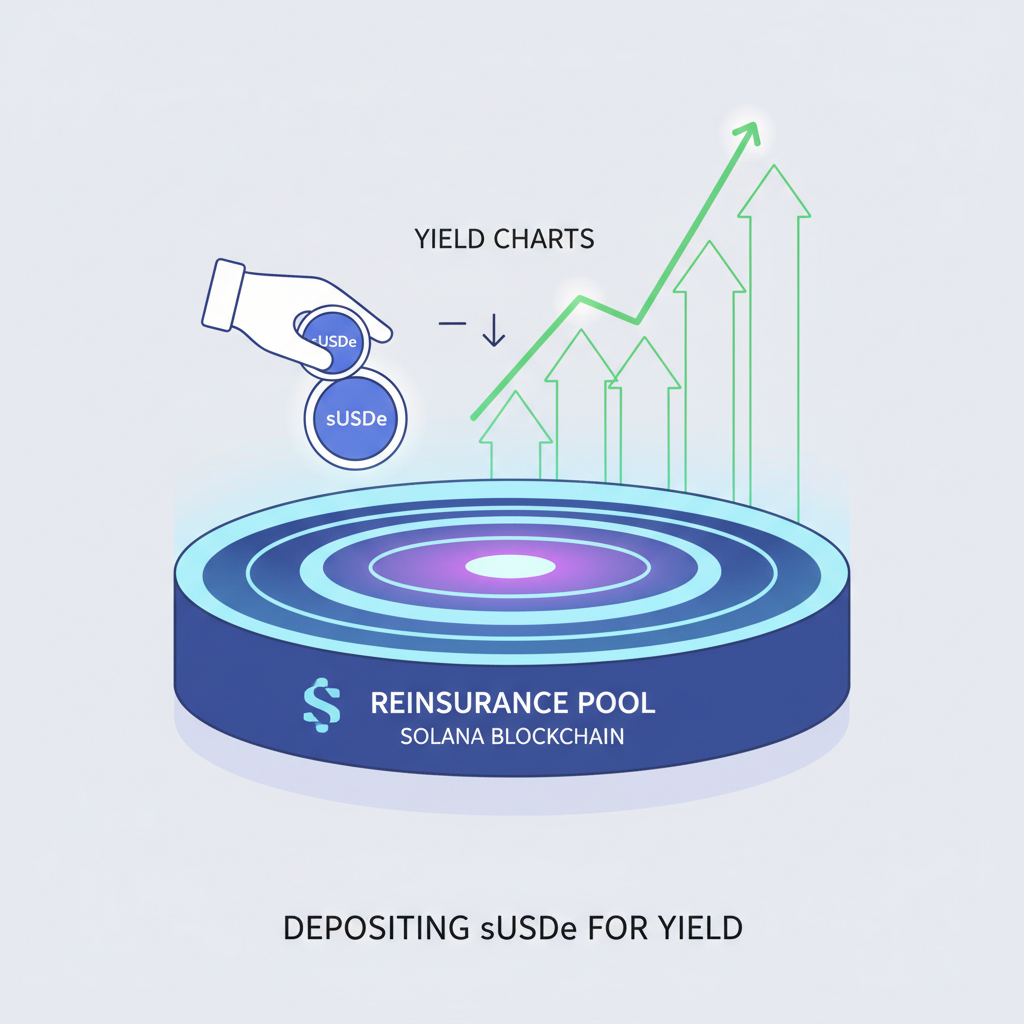
Depositing sUSDe into OnRe's Solana pools creates a balanced flow: premiums fund real insurance treaties, while collateral earns baseline yields. Blockchain handles fulfillment instantly, a far cry from months-long traditional claims. Competitors like SurancePlus via Alphaledger's Vulcan Forge aim for 20-42% returns on Solana RWAs, but OnRe's licensing and partnerships set it apart for institutional trust. Check out how these pools generate yield from real-world premiums for deeper mechanics.
Solana (SOL) Price Prediction 2027-2032
Projections based on on-chain reinsurance growth via OnRe, DeFi adoption, and crypto market cycles (current 2026 price: $84.70)
| Year | Minimum Price | Average Price | Maximum Price | YoY % Change (Avg) |
|---|---|---|---|---|
| 2027 | $70.00 | $130.00 | $220.00 | +53% |
| 2028 | $110.00 | $220.00 | $400.00 | +69% |
| 2029 | $200.00 | $380.00 | $700.00 | +73% |
| 2030 | $300.00 | $550.00 | $950.00 | +45% |
| 2031 | $450.00 | $780.00 | $1,300.00 | +42% |
| 2032 | $600.00 | $1,050.00 | $1,700.00 | +35% |
Price Prediction Summary
Solana (SOL) is forecasted to experience robust growth from 2027 to 2032, driven by innovations like OnRe's on-chain reinsurance pools offering 30% bull and 8% bear yields. Average prices could rise from $130 in 2027 to over $1,000 by 2032, with min/max reflecting bearish corrections and bullish surges amid market cycles, DeFi expansion, and RWA integration.
Key Factors Affecting Solana Price
- OnRe's ONe token and reinsurance pools boosting Solana TVL and yields (30% bull, 8% bear)
- Partnerships with Ethena Labs, Solana Ventures, and RockawayX enhancing ecosystem credibility
- Bridging $750B reinsurance market with tokenized RWAs on Solana
- Regulatory advancements and licensed on-chain insurance improving trust
- Solana's scalability improvements and DeFi maturity amid competition
- Broader crypto bull/bear cycles and institutional adoption trends
Disclaimer: Cryptocurrency price predictions are speculative and based on current market analysis. Actual prices may vary significantly due to market volatility, regulatory changes, and other factors. Always do your own research before making investment decisions.
Solana's Infrastructure Powers Efficient Blockchain Risk Pools
Solana's high throughput and sub-second finality make it ideal for Solana reinsurance pools. With SOL at $84.70, down from a 24-hour high of $88.88, its ecosystem thrives on capital efficiency. OnRe leverages this for seamless sUSDe deposits, where funds split between reinsurance underwriting and collateral optimization. DappRadar highlights OnRe's TVL growth, positioning ONyc as Solana DeFi's preferred dollar asset.
Exchanges benefit from blockchain risk pools on Solana by customizing coverage for trading desks: liquidity crunches, flash crashes, or smart contract exploits. Oversight from pros like Willis Towers Watson actuaries ensures actuarial rigor meets DeFi speed. RockawayX calls it a "leap in DeFi maturity, " and I agree, it's pragmatic innovation, not hype. Dive into enhanced risk management in DeFi.
Practical Steps for Exchanges to Tap On-Chain Reinsurance
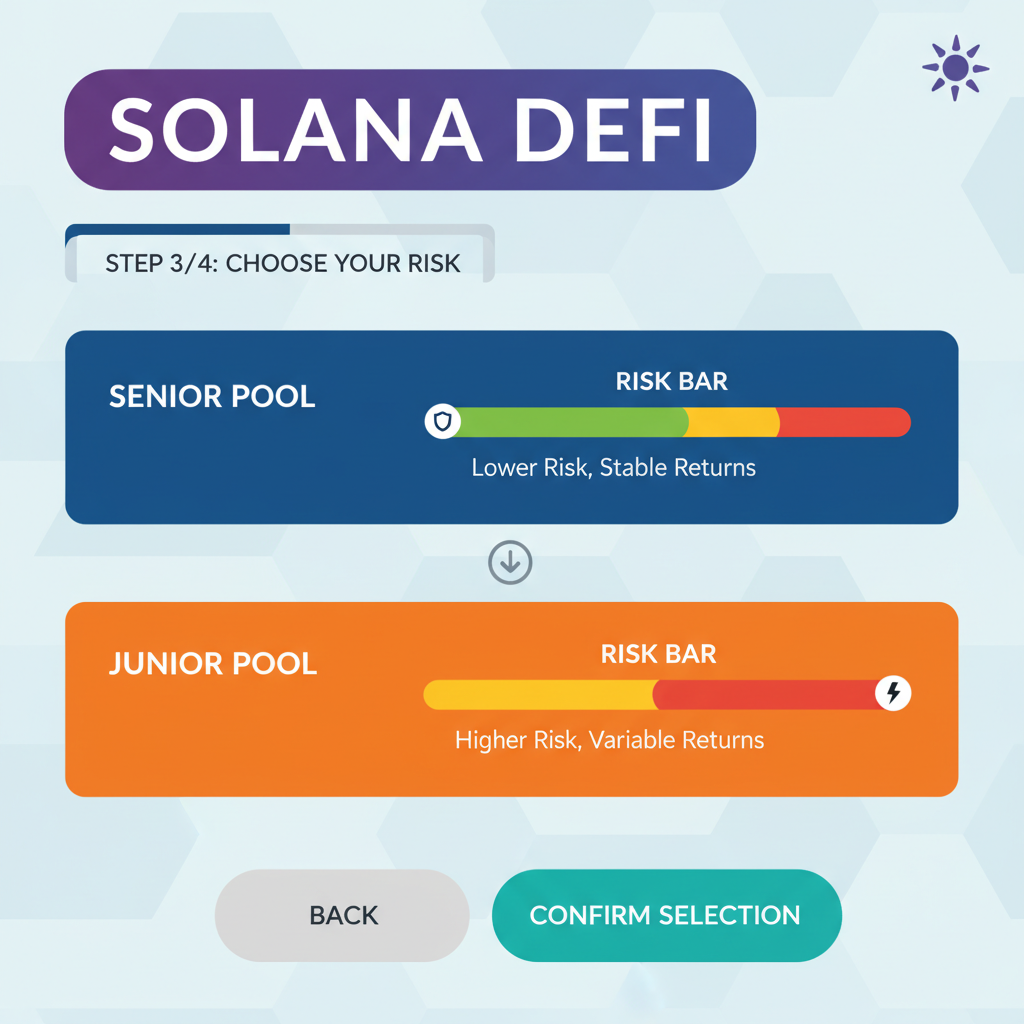
Getting started is straightforward. Exchanges deposit sUSDe via OnRe's interface, selecting risk tranches aligned with their trading volume. Pools diversify across treaties, mitigating concentration risk. In bear markets, that 8% floor from collateral alone beats holding idle USDC. Bull runs amplify it with premium upside, turning risk management into a profit center.
Consider a mid-tier exchange facing SOL's volatility at $84.70. By allocating 10% of reserves to reUSDe pools, they hedge trading risks while earning alpha. Transparency via Solana explorers lets traders verify every flow, fostering trust absent in TradFi reinsurance. As ChainScore Labs notes, this automation targets CTOs tired of legacy drag.
That's where OnRe shines, transforming crypto trading risk management from a cost center into a yield engine. But implementation demands precision. Let's break it down.
Master OnRe Solana Pools: Deposit sUSDe, Select Tranches & Manage Exchange Risks
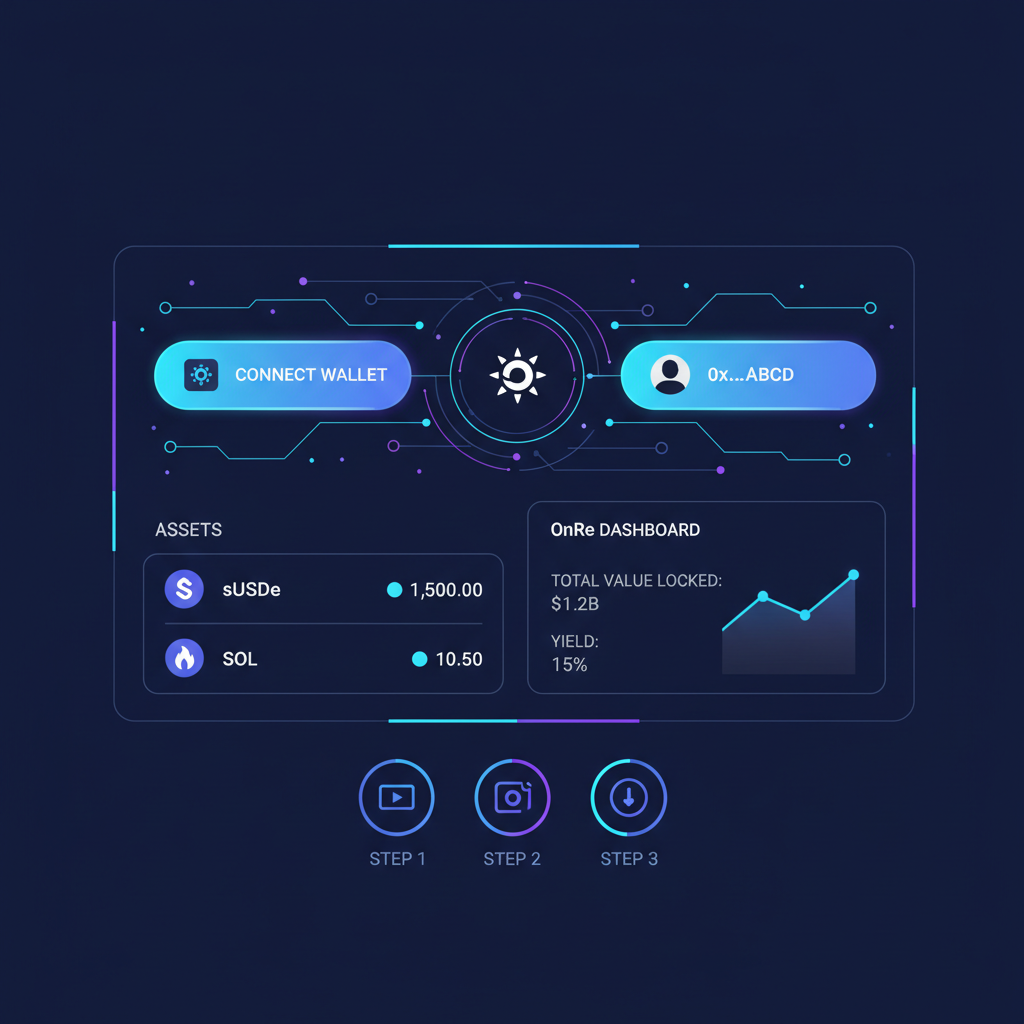
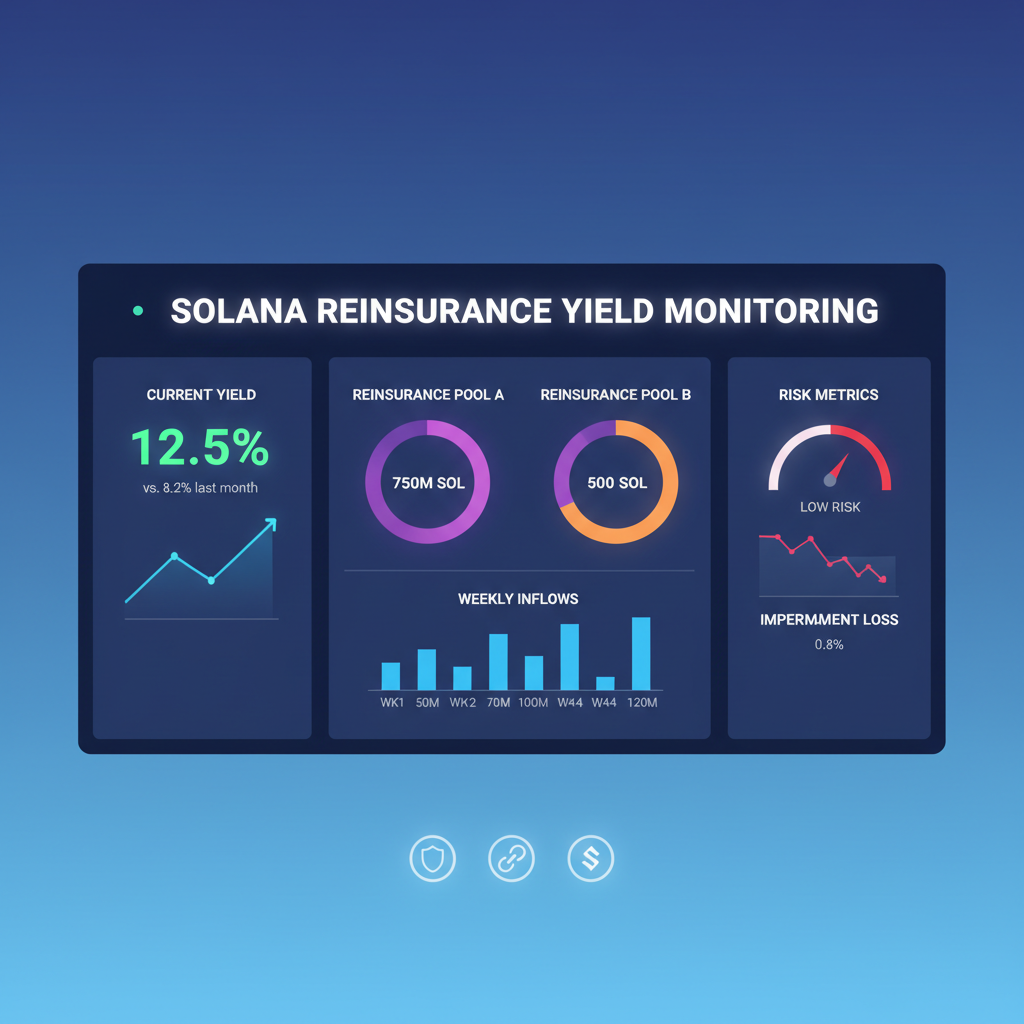
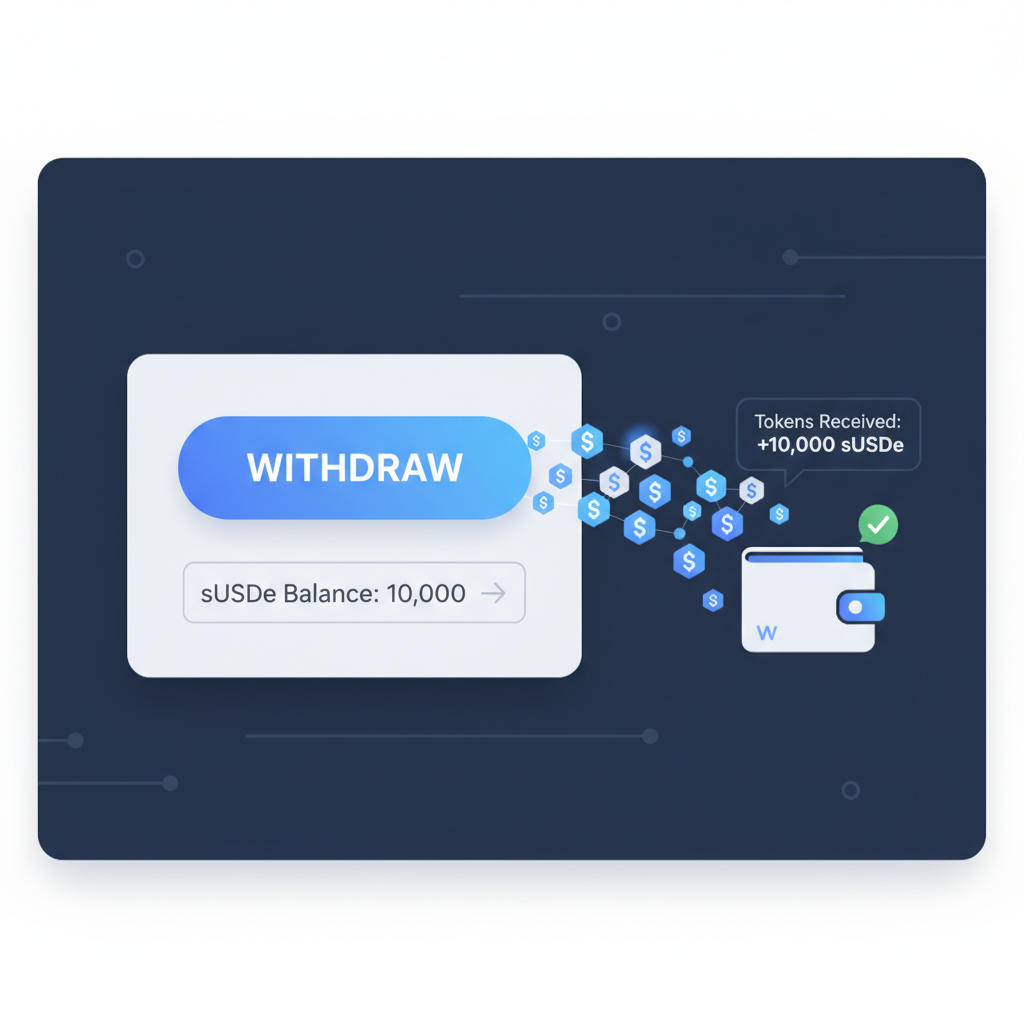
Once integrated, exchanges monitor pool performance via Solana dashboards. Premiums accrue in real-time, collateral yields compound, and claims settle on-chain without intermediaries. This setup has drawn institutional eyes, with backers like Ethena channeling sUSDe into balanced allocations: part for underwriting, part parked for stability. At SOL's current $84.70 mark, after dipping to a 24-hour low of $84.13, such pools provide a ballast against further downside.
Navigating Risks in Blockchain Risk Pools on Solana
No system is bulletproof, and on-chain reinsurance pools carry their own hazards. Smart contract vulnerabilities top the list, though Solana's battle-tested runtime and OnRe's audits mitigate this. Reinsurance inherently involves tail risks - rare but catastrophic events - balanced by diversification across treaties. The insurance committee, bolstered by Willis Towers Watson actuaries, applies traditional modeling to on-chain data, stress-testing for scenarios like prolonged SOL weakness below $84.70.
Regulatory clarity adds another layer. OnRe's full licensing positions it ahead of unregulated peers, appealing to exchanges wary of compliance pitfalls. SurancePlus pushes higher 20-42% targets via Alphaledger, but without comparable oversight, it suits risk-tolerant players. OnRe's edge? Predictable floors from sUSDe yields, even if premiums falter. I've analyzed enough DeFi protocols to know: true innovation pairs upside with downside protection.
"OnRe represents a leap forward in DeFi maturity and capital efficiency. " - RockawayX
For exchanges, the real test comes during volatility spikes. Imagine SOL plunging another 10% from $84.70; reinsurance payouts activate instantly, covering margin calls or liquidity squeezes. This isn't theoretical - tokenized products like ONyc fuse premiums with collateral, targeting Solana DeFi dominance.
Yields Comparison: reUSDe vs reUSD vs Traditional Reinsurance
| Product | Yield Range | Risk Level |
|---|---|---|
| reUSDe | 15-23% | High 🔥 |
| reUSD | 6-9% | Low 🟢 |
| Traditional Reinsurance | 2-5% | Very Low 🟩 |
Future Outlook: On-Chain Reinsurance Solana as Industry Standard
Looking ahead, Solana's infrastructure cements its role in on-chain reinsurance Solana dominance. With TVL climbing per DappRadar, OnRe eyes expansion into broader RWA treaties. Exchanges stand to gain most: automated coverage scales with trading volume, no more haggling with reinsurers. Pair this with ONe token incentives, and you've got a flywheel - deposit, earn, stake, repeat.
Blockworks pegs reUSDe at 15-23% yields, reUSD at 6-9%, outpacing TradFi alternatives. As CTOs ditch paper trails for blockchain automation, per ChainScore Labs, adoption accelerates. I've traded through cycles; this hybrid model - real premiums, on-chain speed - redefines Solana reinsurance pools. Exchanges ignoring it risk obsolescence in a $750 billion market now within reach.
Transparency builds trust. Every deposit, premium, and claim verifiable on Solana explorers. No black boxes, just code and capital working in tandem. For risk managers, it's a pragmatic pivot: hedge trading desks today, compound tomorrow.
Oxbridge's SurancePlus nods to the trend, but OnRe's Ethena tie-up and licensing forge the path. With SOL holding $84.70 amid choppy seas, these pools offer exchanges not just insurance, but an edge. Dive deeper into how on-chain reinsurance transforms DeFi yields, and position your operations for the reinsurance revolution.




No comments yet. Be the first to share your thoughts!