


Picture a towering bar chart rising sharply against a blockchain skyline: Re Protocol’s 2025 performance in on-chain reinsurance hit $191.6 million in premiums written, backed by a stellar 92% combined ratio. This isn’t hype; it’s a visual testament to scalable, transparent risk transfer merging traditional insurance muscle with DeFi efficiency. For protocols hungry for real yields, Re Protocol tokenized these premiums, unlocking stable returns from actual underwriting profits rather than speculative farming.

Analysts tracking Re protocol reinsurance see this as the inflection point. Traditional reinsurers chase opaque deals; Re Protocol deploys smart contracts for instant settlements and verifiable reserves. Investors poured over $100 million into on-chain deposits, signaling trust in a system audited by Certora and fortified with Chainlink Proof of Reserve. This setup visualizes risk like a candlestick chart: clear wicks of transparency, solid bodies of capital efficiency.
Dissecting the $191.6M Premium Milestone
Zoom into the data flow. Re Protocol closed 16 reinsurance deals, an 80% jump year-over-year, onboarding eight new partners from DeFi lenders to yield aggregators. Each deal layers premiums into tokenized pools, instructing capital providers on yield mechanics: collect upfront fees, collateralize risks, distribute profits post-claim. Reinsurance premiums tokenized this way evade legacy silos, flowing directly into DeFi vaults for compounded returns.
Visually, map it as a funnel: broad top captures diverse risks like lending defaults or oracle failures; narrow bottom funnels excess premiums (that 8% margin from the 92% ratio) into yield-bearing assets. No wonder deposits crossed $100 million; it’s a self-reinforcing loop where better underwriting fuels more capital inflow.
Re Protocol 2025 Milestones
-

$191.6M reinsurance premiums written
-
92% combined ratio
-

16 deals (80% YoY growth)
-

8 new partners onboarded
-
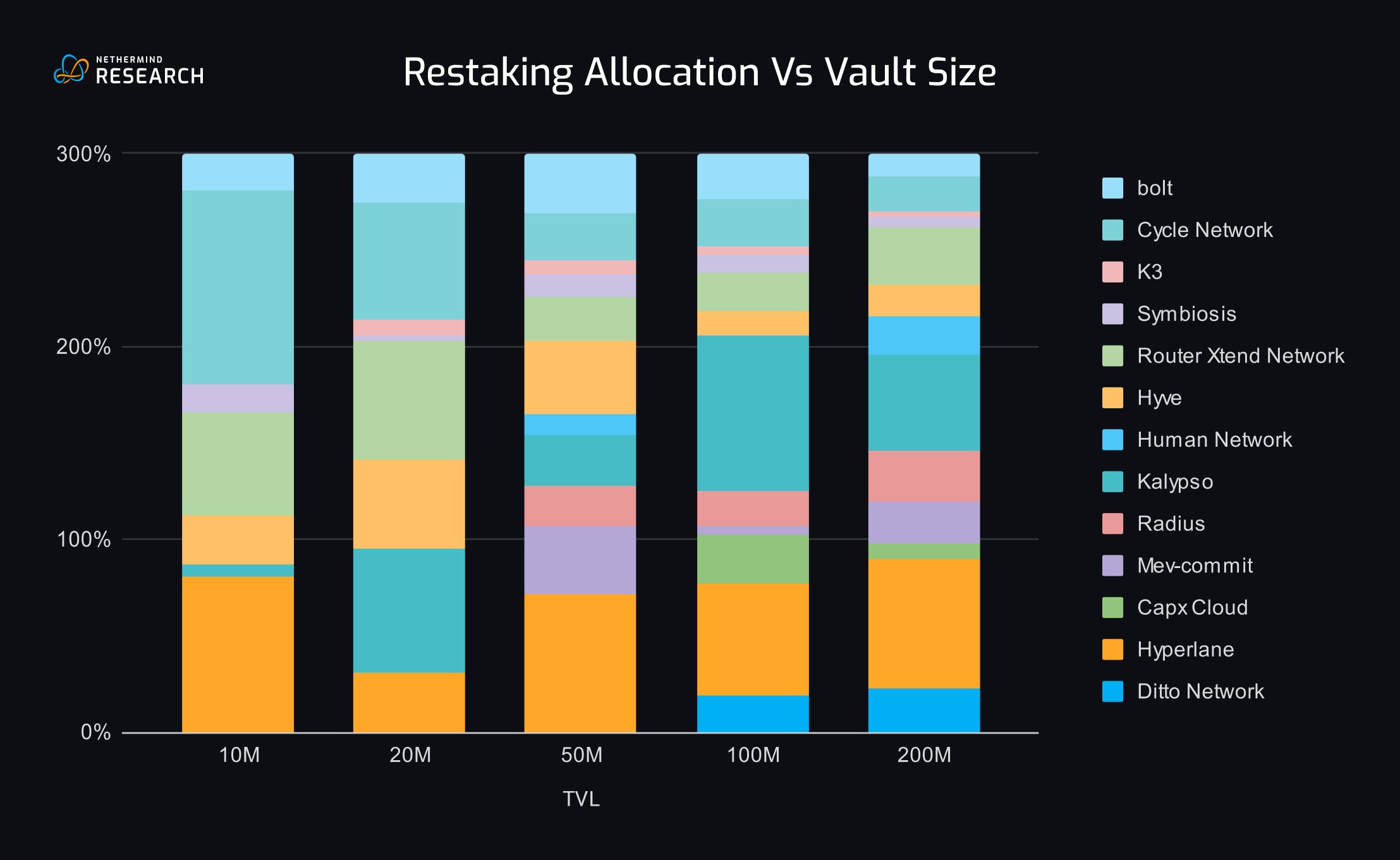
$100M+ on-chain deposits
-
Completed Certora audit
-
Integrated Chainlink PoR
Decoding the 92% Combined Ratio Edge
A combined ratio below 100% screams profitability; at 92%, Re Protocol instructs a masterclass in disciplined underwriting. Break it down like a pie chart: losses plus expenses consume 92% of premiums, leaving 8% as float for yields. In traditional reinsurance, this floats in low-yield bonds; here, it powers on-chain reinsurance yields topping stablecoin farms.
Consider the visual risk heatmap. Hot zones like smart contract exploits cool under diversified pools and real-time Chainlink oracles verifying reserves. Apex Group’s independent attestation adds a cold-blue verification layer, cooling investor FUD. This ratio isn’t static; it’s dynamic, adjusting via on-chain governance to protocol risks, much like trailing stops in forex trading.
Bridging DeFi with Tokenized Reinsurance Capital
Now, instruct the yield playbook. DeFi reinsurance capital tokenizes premiums into ERC-20s or LP positions, earning from real-world auto, home, and cyber policies funneled on-chain. Re Protocol’s model visualizes as parallel tracks: one for cedents offloading tail risks, another for liquidity providers capturing 6-23% APY on USDC via layered capital.
Quantitatively, model it: premiums in, claims out, surplus tokenized. With 92% Re combined ratio 92%, that surplus compounds predictably, unlike volatile perp funding rates. Eight new partners expanded this to cover broader DeFi primitives, from perpetuals to options vaults, instructing a trillion-dollar reinsurance market how blockchain unlocks granular risk pricing.
Transparency integrates like a dashboard: Chainlink feeds prove reserves match liabilities, Certora verifies contract invariants. Investors see exact pool health, akin to scanning multi-timeframe charts before entry.
That dashboard view empowers precise entries, much like aligning RSI divergences across 4H and daily frames before a long position. Re Protocol’s edge lies in this instructable clarity: capital providers model expected yields from historical loss rates, adjusting allocations dynamically.
Tokenizing Premiums: The DeFi Yield Engine
Here’s where reinsurance premiums tokenized ignite real returns. Those $191.6 million premiums don’t sit idle; they tokenize into yield-bearing instruments, layering DeFi reinsurance capital across stablecoin pools and lending protocols. Picture a Sankey diagram: thick flows from premiums split into thin streams for claims reserves, with the fattest artery pumping 8% surplus into DeFi for compounded APY. This isn’t synthetic yield; it’s anchored in underwriting discipline, delivering 6-23% from real insurance premiums.
Instruct the flow step-by-step. Cedents deposit premiums into smart contracts; protocols collateralize risks with over-collateralized positions. Post-period, unclaimed floats deploy to Aave or Morpho, earning base yields plus reinsurance spreads. The 92% combined ratio acts as the governor, throttling payouts if losses spike, preserving principal like a volatility-adjusted position size.
Re Protocol 2025 Key Metrics
| Metric | Value | Impact |
|---|---|---|
| Premiums Written | $191.6M | Secured premiums tokenized into DeFi yields |
| Combined Ratio | 92% | Strong underwriting performance |
| On-Chain Deposits | $100M+ | Growing investor confidence |
| Deals Closed | 16 (80% YoY) | Expanded reinsurance reach |
| New Partners | 8 | Ecosystem growth |
| Transparency & Security | Chainlink PoR + Certora Audit | Enhanced trust and verification |
Opinionated take: traditional reinsurers envy this efficiency. Legacy firms burn 20-30% on overhead; Re Protocol’s on-chain rails slash that to near-zero, funneling more to yields. Apex Group’s attestation seals the deal, providing off-chain audits that mirror on-chain proofs, bridging TradFi skeptics.
2025 Milestones: A Visual Timeline
Chart the ascent like a multi-year bull channel. Re Protocol didn’t just hit numbers; it built infrastructure that scales with DeFi’s risk explosion. From initial pilots to $191.6 million premiums, each milestone stacked compounding trust.
This timeline visualizes momentum: each quarter’s green candle higher, volume swelling with partner integrations. For investors eyeing on-chain reinsurance yields, it’s a pattern screaming continuation, not reversal.
Zoom out analytically. Re Protocol’s 80% deal growth outpaces DeFi TVL surges, onboarding yield aggregators covering perps and options. Quant models project this surplus float hitting $15-20 million annually at current ratios, tokenized for granular exposure. Instruct your portfolio: allocate 5-10% to these layers for uncorrelated returns, hedging crypto volatility with insurance float.

Forward-looking, 2026 tokenizes even more: expect $300-500 million premiums as real-world insurers plug in via oracles. The protocol’s governance tunes risk corridors, much like optimizing trailing stops on a parabolic move. With Chainlink’s reserve proofs and Apex attestations, FUD evaporates, drawing institutional inflows.
Discipline wins here. Re Protocol instructs DeFi on sustainable yields: underwrite tightly, collateralize deeply, distribute transparently. That 92% ratio isn’t luck; it’s engineered resilience, visualized in every on-chain state update. For protocols scaling risks and investors chasing real alpha, this is the blueprint turning reinsurance from back-office bore into front-line yield machine.
About the Author