
Reinsurance capacity hits $134 million
The authorization of $134 million in reinsurance capacity by decentralized infrastructure platform Re marks a significant inflection point for blockchain risk management in 2026. This capital deployment, confirmed ahead of January renewals, signals that institutional-grade liquidity is actively flowing into crypto-native insurance protocols rather than remaining on the periphery.
Unlike speculative token launches that rely on community speculation, this capacity represents committed capital designed to underwrite real-world DeFi exposure. The scale of this allocation validates the sector’s maturation from experimental pilot programs to a functional risk-transfer layer capable of absorbing substantial market volatility.
The influx of capital addresses a critical bottleneck in decentralized finance: the lack of reliable backstops for smart contract and liquidity pool risks. By securing this level of reinsurance coverage, platforms are providing the stability necessary for larger capital inflows, effectively bridging the gap between traditional insurance rigor and blockchain speed.
This move underscores a broader trend where traditional risk management principles are being digitized and automated. As more capital seeks refuge in regulated or semi-regulated DeFi environments, the availability of robust reinsurance capacity becomes a primary driver for protocol trust and longevity.
Smart contract coverage expands
The reinsurance market is moving past broad protocol protection into granular smart contract mitigation. This shift allows for precise risk modeling and capital allocation, addressing the specific vulnerabilities of decentralized finance (DeFi) applications. By targeting individual codebases rather than entire ecosystems, insurers can offer more competitive premiums and clearer claim triggers.
Reinsurance capacity has grown significantly to support this expansion. According to Insurance Business Mag, the decentralized reinsurance infrastructure platform Re has authorized $134 million in reinsurance capacity across multiple programs ahead of the 2026 renewals. This capital injection signals institutional confidence in the ability to underwrite complex smart contract risks.
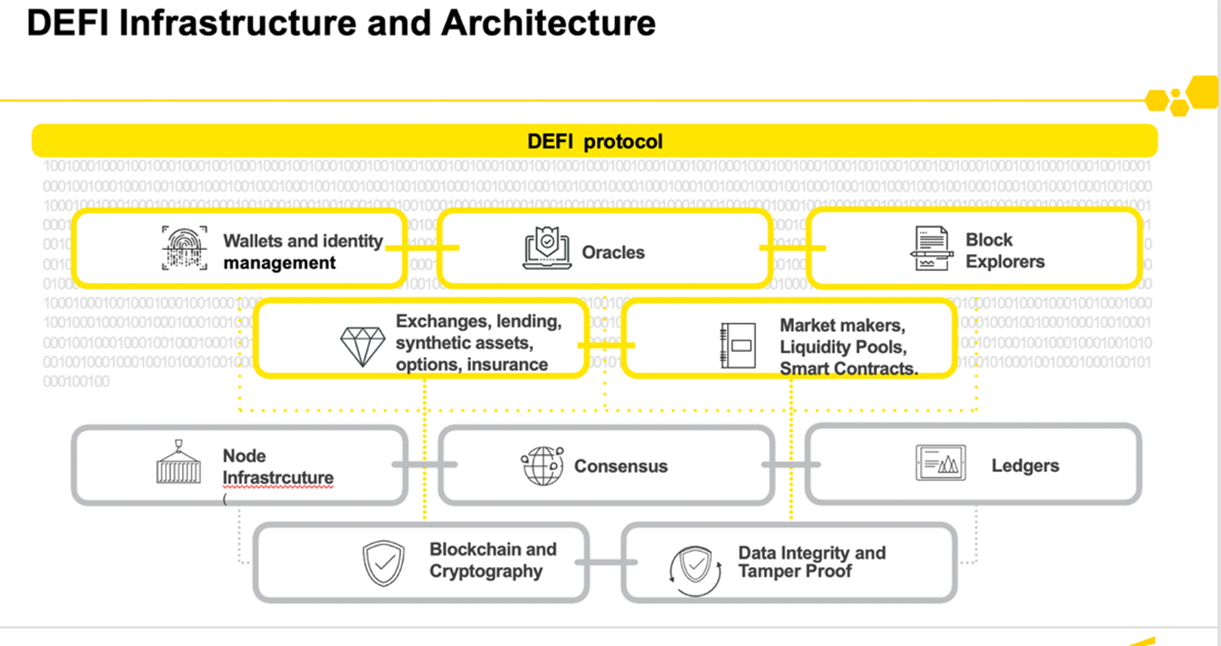
The expansion of coverage scope is evident in the comparison between traditional insurance and crypto-specific products. Traditional policies often exclude digital asset risks or require extensive manual underwriting. In contrast, crypto reinsurance leverages on-chain data for real-time risk assessment and automated claim validation.
| Feature | Traditional Insurance | Crypto Reinsurance |
|---|---|---|
| Coverage Scope | General liability, property | Smart contract bugs, oracle failures |
| Claim Trigger | Manual audit, legal review | On-chain event verification |
| Capital Efficiency | Low, high overhead | High, automated settlement |
This structural difference allows for faster payouts and lower administrative costs. The authorized capacity demonstrates that insurers are now willing to back these innovative products with substantial capital. As the market matures, we expect to see even more specialized products targeting specific DeFi primitives like lending protocols and decentralized exchanges.
Institutional capital enters DeFi
For traditional finance, the leap into decentralized finance has long been blocked by two specific fears: the risk of smart contract failure and the opacity of underlying collateral. Reinsurance platforms are solving this by acting as a bridge, offering the risk mitigation and capital backing that institutions require before deploying significant funds. This structural shift is moving crypto insurance from a niche retail product into a core component of institutional risk management.
The scale of this transition is best illustrated by recent capacity figures. In early 2024, Nexus Mutual reported raising $134 million in capacity, a figure that signals serious institutional confidence in the model. This capital does not sit idle; it is actively deployed to underwrite complex DeFi positions, providing a safety net that allows larger players to engage with protocols without exposing their entire balance sheet to protocol-specific vulnerabilities.
Compliance and regulatory clarity remain the final hurdles for mass adoption. Unlike traditional insurance, which operates within well-defined legal frameworks, DeFi reinsurance must navigate a fragmented global landscape. However, the introduction of regulated on-chain entities and standardized reporting mechanisms is beginning to align these platforms with traditional financial compliance standards. This alignment is critical for attracting the next wave of institutional capital, which requires audit trails and regulatory certainty.
The integration of reinsurance into DeFi is not just about risk transfer; it is about creating a more resilient financial infrastructure. By pooling risk across a broader base of capital providers, these platforms reduce the concentration of risk that has historically plagued the industry. As these mechanisms mature, they will likely become the standard for any institutional-grade DeFi interaction, ensuring that the growth of decentralized finance is both rapid and stable.
Regulatory compliance takes shape
The transition of crypto reinsurance from experimental pilots to institutional scale is being driven by a tightening regulatory environment. As of early 2026, the market has absorbed $134 million in capacity, a figure that signals serious capital commitment from traditional reinsurers who are now demanding strict adherence to global compliance standards. This capital influx is not merely speculative; it represents a structural shift where blockchain platforms must align with established insurance law to retain underwriting authority.
Regulatory bodies in key jurisdictions are no longer treating digital asset risks as outliers. Instead, they are integrating crypto-specific exposures into broader solvency frameworks. This means that platforms facilitating reinsurance transactions must now demonstrate robust audit trails, real-time reserve reporting, and clear legal recourse for policyholders. The capacity figure reflects only those entities that have successfully navigated these initial compliance hurdles, effectively filtering out unregulated operators.
The alignment with stricter global standards is evident in the renewal terms of 2026. Reinsurers are requiring smart contracts to be audited by recognized third parties and embedded with oracle systems that provide transparent, tamper-proof data feeds. This operational rigor is the new baseline for entry. Without it, even platforms with strong technical infrastructure cannot attract the institutional capital necessary to scale beyond niche markets.
Note: The $134 million capacity figure cited reflects early 2026 data from official industry reports, including Artemis.bm and Insurance Business Mag, highlighting the tangible capital now committed to regulated crypto reinsurance structures.
As the regulatory landscape solidifies, the distinction between "crypto-native" insurance and traditional reinsurance is blurring. The focus is shifting from technological novelty to legal enforceability. Platforms that prioritize compliance as a core feature, rather than an afterthought, are positioning themselves to capture the next wave of institutional demand. This shift ensures that the authorized capacity is just the beginning of a more stable, regulated market.
No comments yet. Be the first to share your thoughts!