
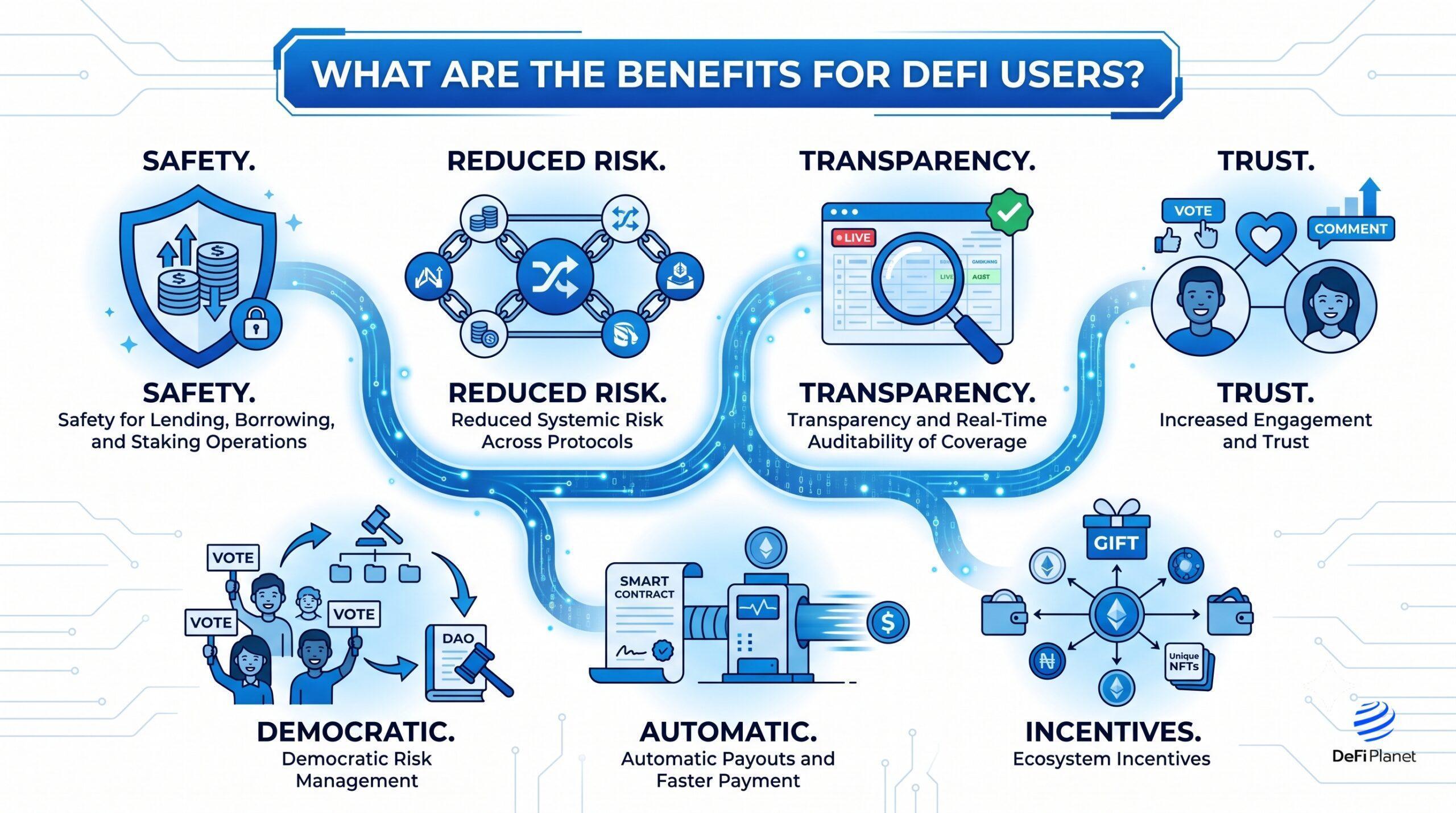
What is crypto reinsurance in 2026?
Crypto reinsurance is a decentralized mechanism that allows smart contracts to share risk across traditional insurance markets and blockchain networks. In 2026, this infrastructure has moved from experimental pilots to active capacity deployment, enabling institutional DeFi protocols to hedge against smart contract failures, oracle manipulations, and liquidity crunches. By tokenizing reinsurance liabilities, platforms like Re Protocol allow capital providers to underwrite specific DeFi risks on-chain, creating a transparent and automated safety net for digital assets.
The primary driver behind this shift is the need for institutional-grade risk management. Traditional insurers are increasingly partnering with blockchain infrastructure to offer coverage for digital assets. For example, Re Protocol recently authorized $134 million in reinsurance capacity for 2026 renewals, signaling a tangible commitment to bridging legacy insurance capital with decentralized finance. This integration provides DeFi users with recourse options that were previously unavailable in purely on-chain environments.
Despite the growth, common misconceptions persist. Crypto reinsurance does not guarantee profit or prevent all losses; it merely distributes the financial impact of adverse events across a broader pool of capital. "Insuring cryptocurrency" typically refers to protecting against technical failures or hacks rather than market volatility. Investors should distinguish between policy coverage for protocol risks and speculative trading of reinsurance tokens, which are subject to their own market dynamics.
Crypto reinsurance 2026 choices that change the plan
Use this section to make the Why Crypto Reinsurance is the Key to Institutional DeFi Adoption decision easier to compare in real life, not just on paper. Start with the reader's actual constraint, then separate must-have requirements from details that are merely nice to have. A practical choice should survive normal use, maintenance, timing, and budget. If a recommendation only works in an ideal situation, call that out plainly and give the reader a fallback path.
| Factor | What to check | Why it matters |
|---|---|---|
| Fit | Match the option to the primary use case. | A good deal still fails if it does not fit the job. |
| Condition | Verify age, wear, and service history. | Hidden condition issues erase upfront savings. |
| Cost | Compare purchase price with likely upkeep. | The cheapest option is not always the lowest-cost option. |
How to choose your next step in crypto reinsurance
Deciding whether to allocate capital to crypto reinsurance requires separating governance speculation from structural utility. The market is shifting from experimental protocols to institutional-grade capacity. Re Protocol recently authorized $134 million in reinsurance capacity for 2026 renewals, signaling that traditional risk models are finally integrating with on-chain liquidity [src-serp-1]. This move transforms re-crypto from a niche governance token into a functional layer for DeFi risk management [src-serp-2].
To navigate this transition, evaluate opportunities based on three concrete criteria:
- Capacity Authorization: Look for protocols that have secured explicit, audited capacity limits for specific renewal periods. This indicates institutional backing and real-world underwriting, not just token inflation.
- Governance Utility: Assess whether the token grants voting rights on risk parameters, such as coverage limits and premium rates. Utility must drive protocol safety, not just price speculation.
- Liquidity Depth: Verify that the reinsurance pool has sufficient liquidity to pay out claims during market stress. Thin liquidity can lead to failed payouts when risks materialize.
Focus on protocols that demonstrate these structural strengths. Avoid projects that rely solely on marketing narratives without verified underwriting data. The 2026 landscape rewards transparency and capital efficiency over speculative hype.
Spotting Weak Options and Misleading Claims
As blockchain reinsurance platforms like Re Protocol prepare for 2026 renewals, investors face a mix of genuine utility and speculative noise. Re has authorized $134 million in capacity, signaling real institutional interest, but not every "re-crypto" token offers comparable backing. Distinguishing between governance tokens with actual underwriting power and those relying on vague promises is essential for avoiding capital loss.
Many projects mislead by claiming decentralization without transparent reserve audits. A token’s price surge often reflects hype rather than solvency. Before allocating funds, verify that the protocol’s reserves are fully collateralized and that its smart contracts have undergone rigorous security reviews. Avoid platforms that obscure their reinsurance partners or lack clear claims settlement mechanisms.
No comments yet. Be the first to share your thoughts!