
Tokenized capacity expands for 2026 renewals
The reinsurance market is moving past the experimental phase. Blockchain-based infrastructure is now securing core treaty placements, signaling a maturation of the sector. Leading platforms are deploying significant capital ahead of the 2026 renewal season, demonstrating that tokenized capacity is no longer a niche pilot but a functional component of global risk transfer.
Re, a decentralized reinsurance infrastructure platform, has authorized US$134 million in reinsurance capacity across multiple programs. This deployment, confirmed by industry reports, marks a substantial step forward for tokenized risk capital. The platform’s ability to aggregate and deploy this volume of funds suggests that traditional insurers are increasingly comfortable with on-chain mechanisms for handling large-scale claims and liabilities.
This shift is driven by the need for efficiency and transparency in a volatile market. Traditional reinsurance processes can be slow and opaque, often delaying payouts during major catastrophes. Tokenized solutions offer real-time visibility into capital availability and automated settlement capabilities. For insurers, this means faster access to liquidity when it is needed most, reducing the operational friction that has historically plagued the industry.
The underlying asset volatility also plays a role in this expansion. As the crypto market experiences significant price swings, the demand for robust, decentralized risk management tools grows. Insurers are looking for ways to hedge against these fluctuations while maintaining stable reinsurance coverage. The integration of AI models and smart contracts allows for more dynamic pricing and risk assessment, making tokenized reinsurance an attractive option for both insurers and reinsurers.
The $134 million figure is not an isolated incident. It reflects a broader trend where traditional financial institutions are exploring blockchain-based solutions for complex financial instruments. As more platforms enter the space and prove their reliability, the volume of tokenized capacity is expected to grow. This growth will likely lead to more standardized processes and greater acceptance of digital assets in the reinsurance sector.
For the 2026 renewals, this expanded capacity provides a buffer against potential market shocks. Insurers can now access decentralized capital pools that are often more flexible and responsive than traditional reinsurance markets. This flexibility is crucial in a world where risks are becoming more complex and interconnected. The move toward tokenized capacity is not just about technology; it is about building a more resilient and efficient reinsurance ecosystem.
AI models replace static underwriting rules
The crypto reinsurance landscape is shifting away from the rigid, binary logic that defined early DeFi security. For years, smart contract audits served as the primary defense, offering a static snapshot of a protocol’s safety at a single point in time. This approach, while necessary, failed to account for the fluid nature of digital asset markets. A contract that appears secure during an audit can become vulnerable within hours if market conditions shift or if new exploit vectors emerge in the broader ecosystem.
Dynamic, AI-driven risk assessment addresses this gap by moving from periodic checks to continuous monitoring. Instead of relying on pre-set rules that trigger only after a breach occurs, these models analyze real-time data streams to price risk accurately. They evaluate liquidity depth, transaction patterns, and cross-protocol exposures to adjust coverage terms instantly. This allows reinsurance providers to offer protection that scales with the actual volatility of the underlying assets, rather than a fixed, often outdated, risk premium.
The transition enables real-time pricing for DeFi protocols, aligning insurance costs with current market stress. When a protocol experiences unusual activity or a related asset crashes, the AI model recalculates the risk exposure and adjusts the reinsurance premium accordingly. This dynamic approach reduces the moral hazard associated with static policies, where protocols might take on excessive risk knowing their coverage is fixed and potentially underpriced for the current environment.
This evolution marks a move from reactive security to proactive stability management. By integrating AI into the underwriting process, crypto reinsurance can better absorb shocks and maintain liquidity during market turbulence. The result is a more resilient financial infrastructure where risk is priced dynamically, reflecting the true state of the digital asset economy.
Legacy carriers enter the tokenized market
Traditional reinsurance is no longer just observing the blockchain from the sidelines. Major carriers and established platforms are actively integrating tokenized capacity to bridge the gap between TradFi credibility and DeFi efficiency. This hybrid approach allows legacy entities to access deeper pools of capital while offering policyholders faster settlement times and greater transparency.
The shift is driven by the need for capital efficiency. Traditional treaties often lock up capital for months or years before claims are settled. By tokenizing these obligations, carriers can release trapped capital back into the market, improving their return on equity. This creates a more liquid reinsurance market where capital can be deployed and redeployed with unprecedented speed.
Comparing Traditional vs. Tokenized Structures
The following table contrasts the operational mechanics of traditional reinsurance treaties against emerging tokenized on-chain capacity models.
| Feature | Traditional Treaty | Tokenized On-Chain |
|---|---|---|
| Settlement Speed | Months to years | Days to weeks |
| Capital Efficiency | Low (locked capital) | High (liquid capital) |
| Transparency | Limited (private reporting) | Full (on-chain ledger) |
| Counterparty Risk | High (default risk) | Mitigated (smart contracts) |
Recent developments highlight this trend. For instance, the decentralized reinsurance infrastructure platform Re has authorized US$134 million in reinsurance capacity across multiple programs ahead of 2026 renewals. This move signals growing confidence among institutional players in using blockchain for large-scale risk transfer.
This integration does not replace traditional carriers but rather augments their capabilities. By adopting tokenized solutions, legacy insurers can offer more competitive products while maintaining the regulatory compliance and brand trust that have defined their businesses for decades. The result is a more resilient reinsurance ecosystem capable of handling emerging risks in the digital age.
Smart contract auditing trends for 2026
The bar for security has shifted from periodic reviews to continuous verification. In 2026, reinsurance providers are increasingly treating AI-assisted auditing as a prerequisite for coverage eligibility. Static audits no longer satisfy the risk models of modern DeFi protocols, where capital moves at machine speed.
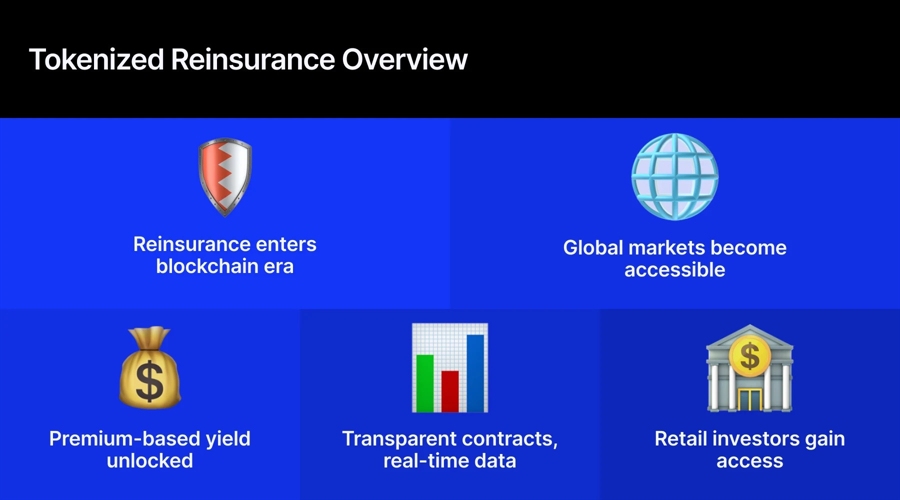
AI models now scan codebases and live transactions in real time, identifying anomalies that human reviewers might miss. This shift allows insurers to price risk more accurately, reducing the premium gap for protocols that adopt these advanced security layers. As the industry matures, the cost of a breach is no longer just a technical failure—it is a solvency event for the reinsurance layer itself.
DeFi stability requires dynamic capital buffers
The traditional insurance model relies on static reserves set months in advance, a structure that fractures under the velocity of crypto markets. DeFi protocols face a different reality: liquidity can evaporate in seconds during a flash crash, and smart contract exploits can drain treasuries before manual intervention is possible. To survive these black swan events, stability must be engineered through dynamic, AI-managed capital buffers that adjust in real-time to on-chain risk signals.
Static capital allocations are no longer sufficient. Protocols must treat reinsurance not as a backend compliance checkbox, but as an active liquidity layer. By integrating decentralized reinsurance platforms, protocols can access capacity that scales with volatility. For instance, blockchain reinsurance infrastructure like Re has already demonstrated this capability, authorizing $134 million in capacity for 2026 renewals to absorb shocks across multiple programs. This model shifts the burden from a fragile, single-protocol treasury to a diversified, on-demand pool of capital.
AI models enable this dynamism by predicting risk exposure before it materializes. Instead of reacting to a breach, AI-driven systems can pre-emptively trigger capital injections or adjust collateral requirements based on market sentiment, oracle stability, and protocol usage patterns. This proactive approach ensures that buffers are never underfunded during high-stress periods, maintaining solvency without sacrificing yield for users during calm markets.
The strategic implication is clear: long-term DeFi stability depends on the seamless integration of traditional risk transfer mechanisms with real-time computational power. Protocols that fail to adopt dynamic, AI-managed reinsurance will remain vulnerable to catastrophic failures. Those that do will build the resilient infrastructure necessary for institutional adoption and sustained growth in the 2026 landscape.
No comments yet. Be the first to share your thoughts!