
Crypto reinsurance 2026 limits to account for
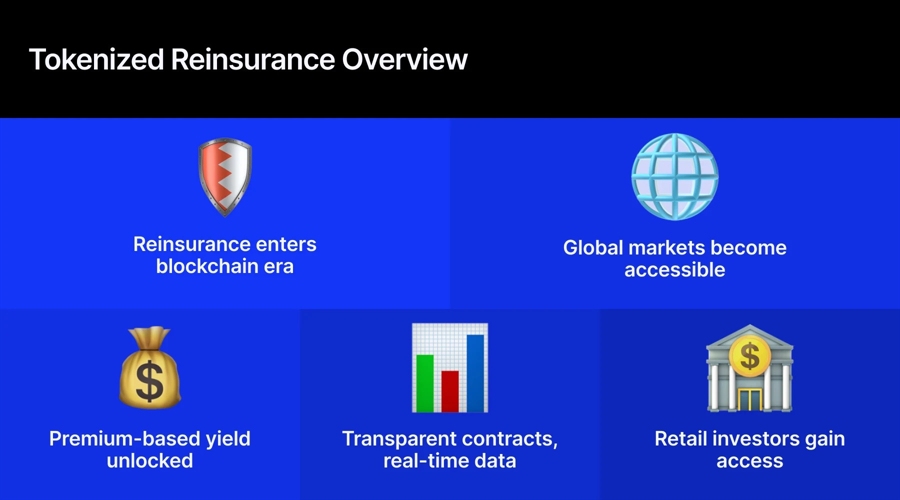
The 2026 reinsurance market is shifting toward blockchain-based infrastructure, introducing specific tradeoffs for risk managers. Platforms like Re Protocol have authorized significant capacity, such as $134 million for 2026 renewals, aiming to integrate customary reinsurance markets with on-chain liquidity.
However, this integration comes with distinct risks. Smart contract vulnerabilities remain a primary concern for decentralized reinsurance infrastructure. While blockchain promises transparency, the code itself is not immune to exploits. Additionally, regulatory uncertainty persists as traditional insurers manage the legal landscape of digital assets. The tradeoff is clear: you gain speed and visibility but assume new technical and compliance risks.
| Feature | Benefit | Primary Risk |
|---|---|---|
| Smart Contract Automation | Faster claims settlement and reduced administrative overhead | Code vulnerabilities and exploit potential |
| On-Chain Liquidity | Access to alternative capital and deeper pools | Regulatory ambiguity and compliance costs |
| Transparent Ledger | Real-time auditability and trustless verification | Data privacy concerns for sensitive underwriting info |
The choice to adopt these models depends on your risk tolerance. Traditional reinsurance offers established legal protections but slower processing. Blockchain solutions offer efficiency but require robust technical due diligence. For those evaluating the market, the focus should be on the underlying protocol's security audits and the regulatory standing of the issuing entities.
How to evaluate crypto reinsurance exposure
The 2026 reinsurance boom is driven by platforms like Re Protocol, which have authorized $134 million in capacity to manage on-chain risk. For investors and protocol operators, the shift from traditional actuarial tables to AI-driven models requires a new due diligence framework. You are not just buying a token; you are assessing the solvency of a decentralized capital layer.
Use this step-by-step checklist to determine if a reinsurance product aligns with your risk tolerance and strategic goals.

Look for specific dollar amounts of authorized capacity. A platform like Re Protocol, which recently authorized $134 million across multiple programs, demonstrates that institutional capital is actively participating. If a platform cannot clearly list its capital providers or total underwriting limit, treat it as a high-risk speculative asset rather than a stable reinsurance vehicle.

Traditional reinsurance relies on historical loss data, but crypto risk models must process real-time on-chain behavior. Check if the platform discloses how its AI models weigh factors like smart contract vulnerabilities, liquidity pool health, and market volatility. If the risk assessment logic is a "black box," you lack the ability to stress-test your exposure during a market crash.
Determine if the token (such as RE) is a governance instrument or a direct liability claim. Governance tokens offer voting power over capital deployment but may not correlate directly with insurance payouts. If you are seeking protection, ensure the protocol has a clear mechanism for claims settlement that is separate from speculative token price action.

The value of reinsurance is realized only when a loss occurs. Investigate how quickly the platform has processed claims in the past. AI-driven models should theoretically speed up validation, but if there is a history of delayed payouts or complex bureaucratic hurdles, the model is failing its primary purpose. Look for on-chain proof of settlements.
Spotting the Risks in Crypto Reinsurance
The 2026 reinsurance boom relies heavily on AI-driven models, but these systems are only as reliable as the data they ingest. When evaluating platforms like Re Protocol, look closely at their backtesting methods. If a model claims high accuracy without transparent historical stress tests, treat it as a weak option. The integration of traditional reinsurance markets with blockchain technology introduces complexity that can obscure underlying risks.
Be wary of platforms that overpromise on capacity without clear liquidity proofs. For instance, while Re has authorized significant capacity, the actual utilization rates matter more than the authorized limits. Investors should verify that the smart contracts governing these policies have undergone rigorous third-party audits. Unaudited code is a common mistake that can lead to total loss of funds during a claim event.
Another red flag is the lack of clear governance structures. If the tokenomics favor early investors or developers over policyholders, the system is misaligned. Always check if the governance token, such as RE crypto, has real utility beyond speculation. A token that only serves as a voting mechanism without staking rewards or fee discounts offers little protection in a downturn.
Finally, avoid platforms that do not disclose their capital reserves openly. Transparency is the only way to ensure that claims can be paid out when they arise. If a platform’s financial health is hidden behind complex derivatives or opaque partnerships, it is likely a misleading claim. Stick to platforms with clear, auditable on-chain data to protect your capital.
Crypto reinsurance 2026: what to check next
What is the reinsurance market outlook for 2026?
The 2026 reinsurance sector is pivoting toward digital infrastructure to handle complex DeFi risks. Platforms like Re have authorized $134 million in new capacity for upcoming renewals, signaling strong institutional interest in blockchain-based solutions (Insurance Business Mag). This shift aims to replace opaque legacy systems with transparent, on-chain capital layers.
Is RE crypto worth buying?
RE is the governance token for Re Protocol, which bridges traditional reinsurance markets with blockchain technology. While it offers exposure to a growing niche, its value depends on protocol adoption. Investors should weigh the potential for stablecoin yield generation against the volatility inherent in DeFi governance tokens (Bankless; Bitcoin Foundation).
Which insurance companies are investing in Bitcoin?
Major insurers are exploring Bitcoin integration to diversify treasury reserves and offer crypto-hedged products. Traditional carriers are partnering with blockchain firms to create compliant custody solutions. This trend reflects a broader industry move to stabilize balance sheets against inflation while serving a growing digital-native client base.
How much does crypto insurance cost?
Premiums vary significantly based on asset type, custody method, and coverage limits. On-chain policies often cost less than traditional counterparts due to reduced administrative overhead. However, high-risk assets or smart contract vulnerabilities can drive premiums up. Always compare specific policy terms against the underlying asset's risk profile.
No comments yet. Be the first to share your thoughts!