
The crypto reinsurance limits to account for
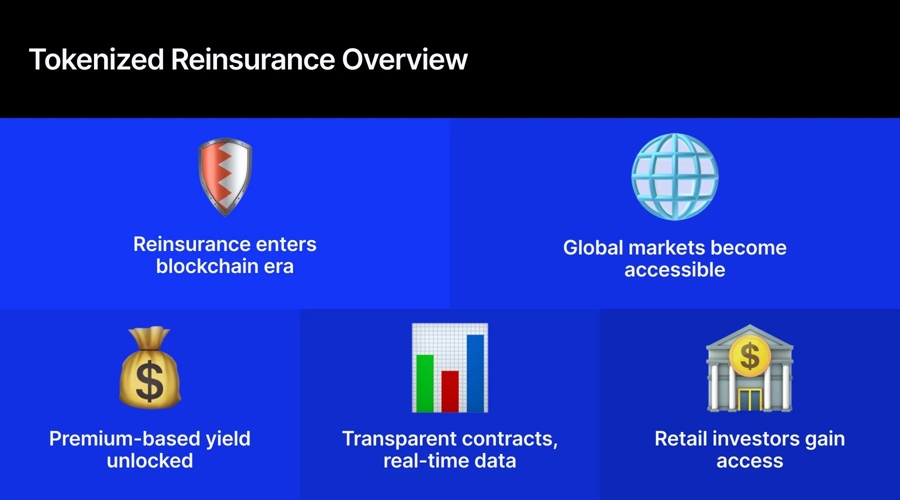
Institutional adoption faces a specific bottleneck: traditional capital markets move too slowly to underwrite the volatility inherent in digital assets. Crypto reinsurance bridges this gap by tokenizing risk, allowing stablecoin deposits to collateralize real treaties through licensed reinsurers. This mechanism transforms how capital is deployed, offering a direct onchain path for yield generation that traditional insurers cannot easily replicate.
Platforms like Re.xyz demonstrate this shift by using tokenized access through assets like reUSD and reUSDe. These systems allow capital to flow instantly to where it is needed most, bypassing the friction of legacy intermediaries. OnRe Finance further illustrates the model, introducing structured products that deliver consistent reinsurance returns with upside potential in strong markets. This creates a new asset class where yield is backed by actual insurance risk rather than speculative leverage.
The constraint is no longer just about technology; it is about regulatory clarity and capital efficiency. Institutions require the auditability of onchain ledgers combined with the legal protections of traditional reinsurance treaties. As these frameworks mature, the distinction between crypto and traditional finance blurs, creating a robust infrastructure for institutional-grade risk management.
Crypto reinsurance choices that change the plan
Institutional adoption of crypto insurance hinges on selecting the right reinsurance structure. The market offers distinct models, each balancing capital efficiency, regulatory compliance, and yield generation differently. Understanding these tradeoffs is essential for insurers looking to onboard enterprise clients without overextending their balance sheets.
The following comparison breaks down the primary mechanisms available today. These options range from traditional licensed carriers to emerging onchain protocols that tokenize risk.
| Model | Capital Source | Yield Profile | Regulatory Status |
|---|---|---|---|
| Licensed Carrier | Traditional Balance Sheet | None (Spread) | Fully Regulated |
| Onchain Protocol | Stablecoin Collateral | Variable (Market Dependent) | Evolving/Gray Area |
| Hybrid Treaty | Mixed (Onchain + Offchain) | Hybrid | Structured Compliance |
| Parametric Pool | Smart Contract Escrow | Idle Yield | Code-is-Law |
Licensed carriers like Relm Insurance provide the highest level of regulatory comfort. They operate on traditional balance sheets, meaning they do not offer yield to investors but provide stable, spread-based returns. This model is ideal for institutions prioritizing compliance over return optimization.
Onchain protocols such as Re and OnRe Finance offer a different proposition. They use stablecoin deposits to collateralize reinsurance treaties. This allows investors to earn yield derived from reinsurance premiums. However, this model operates in a regulatory gray area, relying on tokenized access rather than traditional licensing.
The choice depends on your risk appetite. Regulated entities often require the certainty of licensed carriers. Meanwhile, crypto-native funds may prefer the yield potential of onchain protocols, accepting the associated smart contract and regulatory risks.
Choose the next step
Treat this step as a welfare screen for Why Crypto Reinsurance is the Key to Institutional Adoption. Compare the source, the animal's visible condition, the seller's care knowledge, the paperwork, and the transport plan before you commit. A good purchase path should make the dragon's health easier to verify, not harder. Pause before paying if any part of the chain is unclear. Confirm the exact animal, pickup or shipping timing, heat-pack plan when relevant, return policy, and the supplies you need at home for the first week.
-
Verify the sourceUse this as a welfare screen: confirm the breeder, rescue, store, or private seller can explain care history and answer basic husbandry questions.
-
Check health signsLook for clear eyes, alert behavior, healthy weight, clean vent area, and no obvious swelling, wounds, or stuck shed.
-
Prepare the enclosureHave heat, UVB, substrate, hides, food, and temperature checks ready before pickup or shipping day.
-
Plan transportConfirm pickup timing, shipping weather, packaging, and the first-week settling plan before paying.
Spotting weak reinsurance options
The promise of onchain reinsurance often outpaces the reality. Projects like Re and OnRe tokenize real treaties and offer structured yields, but the underlying mechanics vary significantly. Investors must look past the marketing to understand who actually holds the risk.
Many platforms claim "institutional grade" security without disclosing their reinsurance partners. Without knowing the Big 4 reinsurers involved, you cannot assess the true solvency of the product. Always check if the collateral is fully backed by licensed entities or if it relies on volatile crypto assets.
Beware of platforms that obscure the 9-month rule or fail to disclose their capital reserves. If a product offers high yields without clear treaty backing, it is likely a yield farm, not reinsurance. Verify the licensed status of every partner before committing capital.
Crypto reinsurance: what to check next
Crypto reinsurance is a growing niche, but practical questions remain about how it works and who is involved. Here are the most common inquiries.
No comments yet. Be the first to share your thoughts!