
Crypto reinsurance 2026
The 2026 crypto reinsurance landscape is defined by a shift from speculative promises to deployed capital. Decentralized infrastructure platforms are no longer just proposing models; they are actively underwriting risk to stabilize DeFi protocols. This transition marks the industry's move toward institutional-grade reliability, where risk is distributed across a broader, more liquid pool of capital.
A primary driver of this shift is the authorization of significant reinsurance capacity. For instance, the platform Re has authorized $134 million in reinsurance capacity for 2026 renewals src-serp-1. This capital injection is not abstract; it provides a concrete buffer against smart contract failures and market volatility, directly addressing the fragility that has historically plagued decentralized finance.
Stablecoins are emerging as a critical component of this new risk model. By treating stablecoin holdings as a yield source for reinsurance src-serp-2, platforms are unlocking gated premiums and integrating traditional risk management with on-chain liquidity. This approach allows capital to flow more efficiently, offering yields to stablecoin holders while providing DeFi protocols with the insurance coverage they need to scale.
The result is a more resilient ecosystem. Protocols that integrate AI-driven risk modeling and decentralized reinsurance are better positioned to handle black swan events. This structural change reduces the likelihood of catastrophic failures, making crypto insurance a viable, rather than optional, layer for serious financial applications in 2026.
Crypto reinsurance 2026 choices that change the plan
Use this section to make the The Crypto Reinsurance Boom decision easier to compare in real life, not just on paper. Start with the reader's actual constraint, then separate must-have requirements from details that are merely nice to have. A practical choice should survive normal use, maintenance, timing, and budget. If a recommendation only works in an ideal situation, call that out plainly and give the reader a fallback path.
| Factor | What to check | Why it matters |
|---|---|---|
| Fit | Match the option to the primary use case. | A good deal still fails if it does not fit the job. |
| Condition | Verify age, wear, and service history. | Hidden condition issues erase upfront savings. |
| Cost | Compare purchase price with likely upkeep. | The cheapest option is not always the lowest-cost option. |
How to evaluate crypto reinsurance models
Traditional reinsurance relies on slow, manual claims processing and opaque capital allocation. The 2026 boom is driven by AI-driven risk modeling that automates these workflows through smart contracts. This shift allows decentralized insurance protocols to react to market shifts in real-time, offering capital providers higher yields and protocols better coverage.
To navigate this landscape, you need to assess the underlying risk models and capital structures. The following steps outline a practical framework for evaluating these emerging crypto reinsurance solutions.

Evaluate whether the reinsurance capacity is backed by traditional insurers or on-chain stablecoins. Platforms like Re have authorized $134 million in capacity for 2026 renewals by tapping into stablecoin holders seeking yield. This model opens gated premiums to on-chain dollars, but you must verify the stability of the underlying assets during market volatility.

Look for protocols that use AI to automate underwriting and claims. Unlike traditional models that take months to settle, AI-driven systems can trigger payouts instantly when predefined on-chain conditions are met. This reduces administrative overhead and ensures that liquidity remains available for DeFi protocols when they need it most.
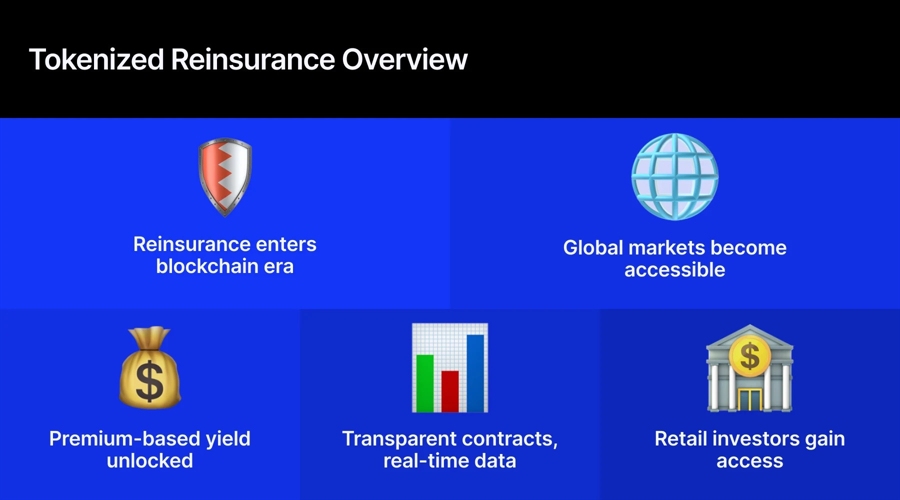
Not all protocols offer the same protection. Determine if the reinsurance covers smart contract risks, oracle failures, or systemic market crashes. The best models provide transparent coverage limits and clear exclusions. Avoid platforms with vague terms that leave critical gaps in your protocol’s risk management.

Understand how capital providers are rewarded. In many 2026 models, stablecoin holders earn yield from premiums, creating a sustainable capital loop. Ensure the yield is backed by actual insurance premiums and not just inflationary token emissions. Sustainable yields indicate a healthy, long-term reinsurance infrastructure.
Spotting Weak Options in Crypto Reinsurance
The 2026 crypto reinsurance boom is real, but not every protocol offering coverage is built to last. As AI-driven risk modeling stabilizes DeFi, distinguishing between robust infrastructure and marketing fluff becomes critical. Many projects promise "institutional-grade" protection but lack the on-chain transparency or capital depth to back it up.
Look for protocols that have authorized significant capacity, like Re’s $134 million authorization for 2026 renewals. This isn’t just a number; it signals a commitment to liquidity that weak options often skip. Without substantial capital backing, even the best AI models can’t pay out when a major exploit hits. Check if the platform is actually turning reinsurance into a stablecoin yield source, which aligns incentives between insurers and capital providers.
Be wary of vague risk parameters. Strong options define their AI models’ data sources and stress-test results publicly. Weak options hide behind jargon. If a protocol can’t clearly explain how its AI assesses smart contract risk or historical exploit data, it’s likely a weak option. Stick to platforms with proven track records and transparent, audited risk frameworks.
No comments yet. Be the first to share your thoughts!