
Crypto reinsurance 2026 limits to account for
Use this section to make the Why is the Breakout Year for Crypto Reinsurance decision easier to compare in real life, not just on paper. Start with the reader's actual constraint, then separate must-have requirements from details that are merely nice to have. A practical choice should survive normal use, maintenance, timing, and budget. If a recommendation only works in an ideal situation, call that out plainly and give the reader a fallback path.
The simplest way to use this section is to write down the must-have criteria first, then compare each option against those criteria before weighing nice-to-have features.
Crypto reinsurance 2026 choices that change the plan
The shift toward on-chain reinsurance in 2026 is not a simple replacement of traditional systems; it is a structural tradeoff between speed and capital depth. While blockchain platforms like Re Protocol are deploying hundreds of millions in new capacity, they operate within a narrower risk appetite than legacy reinsurers. Understanding where these systems align with your needs requires looking at the concrete differences in how capital is accessed, priced, and managed.
Liquidity and Access
Traditional reinsurance relies on long-term relationships and quarterly binding authorities. Crypto reinsurance offers near-instant liquidity through smart contracts. This allows for rapid capital deployment during peak renewal seasons, such as the January renewals where platforms have already deployed $134 million in capacity. However, this liquidity comes with a tradeoff: the capital is often more transient. Traditional reinsurers provide multi-year stability, while on-chain capital can rotate quickly based on market yields.
Risk Modeling and Pricing
Legacy reinsurers use actuarial models built over decades, adjusting for macroeconomic shifts and catastrophic events. On-chain platforms use algorithmic pricing and real-time data feeds. This approach can price niche or emerging crypto risks more accurately than traditional models, which often lack the data granularity. The tradeoff is that algorithmic models may struggle with "black swan" events that lack historical precedent, whereas traditional underwriters can apply judgment to unprecedented scenarios.
Regulatory and Compliance
Traditional reinsurance is heavily regulated, with clear solvency requirements and oversight from agencies like the NAIC or EIOPA. Crypto reinsurance operates in a evolving regulatory landscape. While platforms are adopting KYC/AML protocols, the lack of standardized global regulations creates compliance complexity. For institutions, this means higher legal overhead to ensure that on-chain contracts hold up in court. The benefit is potential cost savings from reduced intermediary fees, but the risk of regulatory change remains a significant factor.
Capital Efficiency
On-chain reinsurance allows for fractionalized capital participation, enabling smaller investors to provide liquidity. This broadens the capital pool but can dilute the expertise behind each policy. Traditional reinsurance concentrates capital among highly specialized firms, ensuring deep expertise but limiting access. The tradeoff is between broader, potentially less specialized capital and concentrated, highly specialized capital.
| Factor | Traditional | Crypto/On-Chain | Tradeoff |
|---|---|---|---|
| Access Speed | Weeks to months | Minutes to hours | Speed vs. Stability |
| Capital Depth | High (USD 540B+) | Growing (USD 134M+ initial) | Scale vs. Agility |
| Risk Model | Actuarial/Judgment | Algorithmic/Data-driven | Experience vs. Real-time |
| Regulation | Established | Evolving | Clarity vs. Innovation |
The choice between these models depends on your risk profile. If you need capital stability and regulatory certainty, traditional reinsurance remains the anchor. If you need rapid deployment for emerging risks and can manage regulatory complexity, on-chain platforms offer a compelling alternative. The 2026 landscape is not about one replacing the other, but about leveraging the strengths of both.
Choose the next step
Why is the Breakout Year for Crypto Reinsurance works best as a clear sequence: define the constraint, compare the realistic options, test the tradeoff, and choose the path with the fewest hidden costs. That order keeps the advice usable instead of decorative. After each step, pause long enough to check whether the recommendation still fits the reader's actual situation. If it depends on perfect timing, unusual access, or a best-case budget, include a simpler fallback.

Watch out for weak reinsurance options
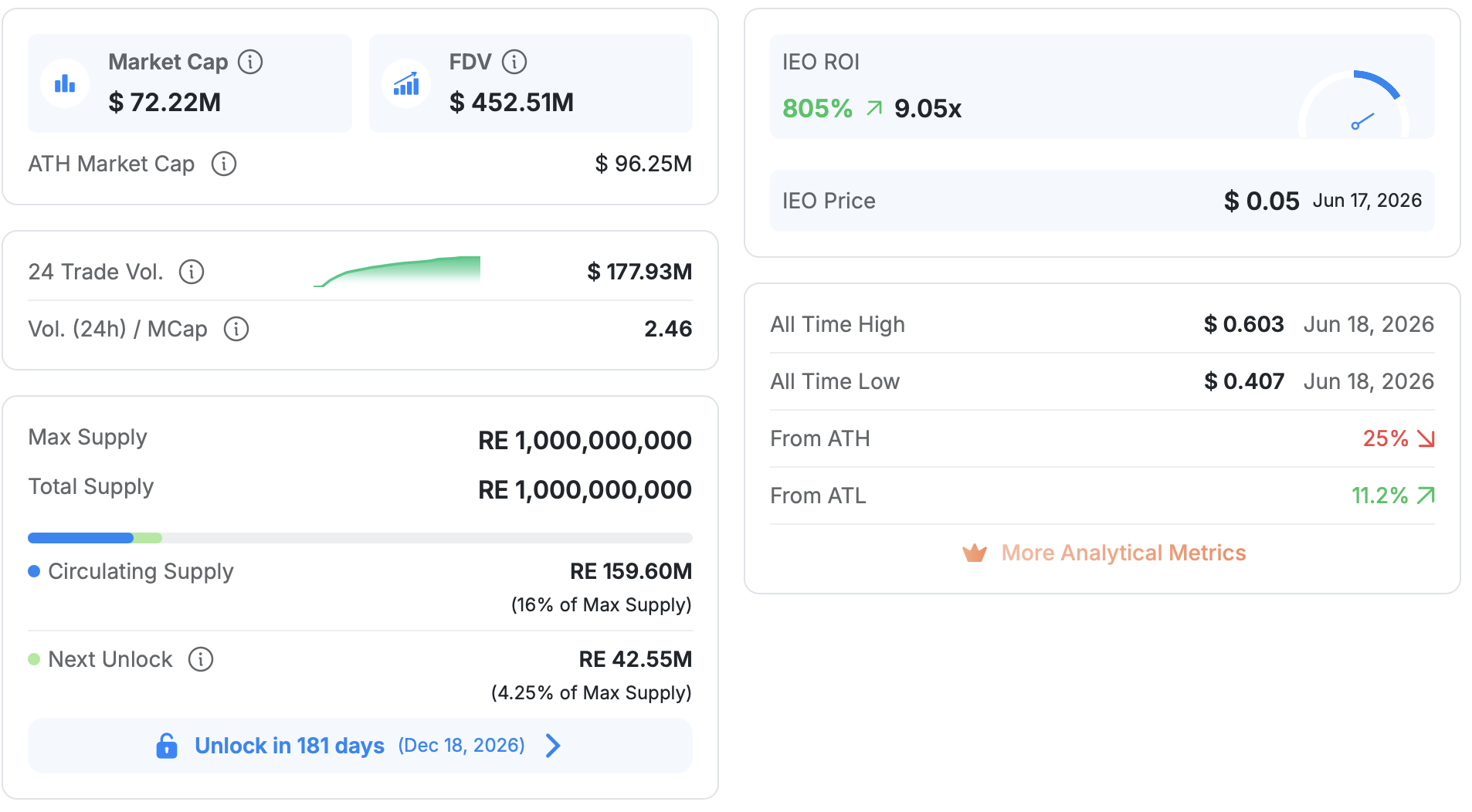
Not every blockchain reinsurance platform delivers on its promises. As 2026 approaches, the gap between marketing hype and actual underwriting capacity widens. Re, a leading decentralized platform, recently authorized $134 million in capacity for renewals, signaling serious institutional entry. However, many smaller projects lack the liquidity or regulatory backing to sustain payouts during high-frequency claims.
Be wary of platforms that prioritize token price appreciation over risk modeling. True crypto reinsurance requires robust capital reserves and transparent on-chain auditing. If a protocol cannot clearly demonstrate its solvency ratio or has vague partnerships with traditional insurers, it is likely a weak option. Always verify the underlying asset backing the coverage.
The market is consolidating around protocols with real-world legal frameworks. Avoid platforms that promise infinite capacity without proportional capital. Focus on those integrating with established reinsurance markets rather than purely speculative DeFi pools. This distinction separates durable infrastructure from short-lived trends.
No comments yet. Be the first to share your thoughts!