
Crypto reinsurance 2026 limits to account for
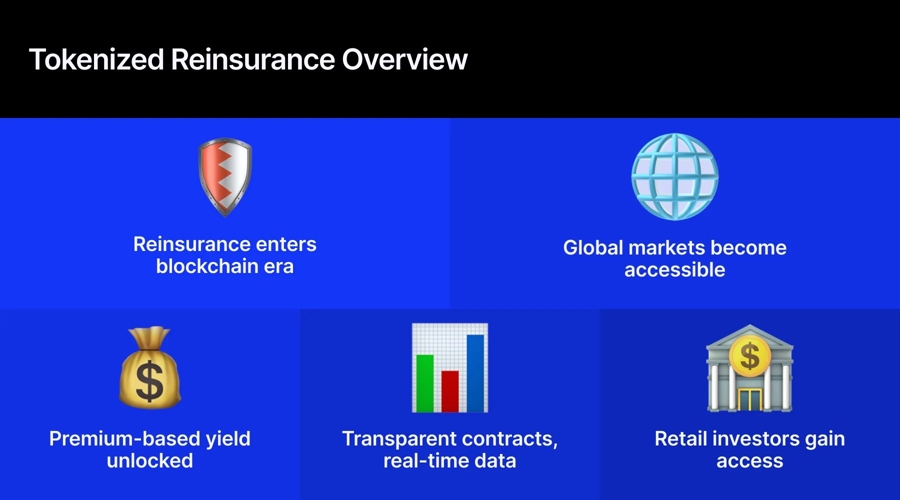
The 2026 reinsurance market is defined by a specific capacity constraint: traditional capital is abundant, but it is often too slow or too expensive to cover the unique risks of digital assets. While global dedicated reinsurance capital stands at approximately $540 billion, this massive pool remains largely disconnected from on-chain ecosystems. Crypto reinsurance bridges this gap by offering a faster, more transparent alternative that institutions actually need to adopt digital assets at scale.
Platforms like Re are already testing this model, having authorized $134 million in reinsurance capacity for 2026 renewals. By leveraging stablecoins and decentralized infrastructure, these platforms open gated premiums to on-chain dollars, effectively rewiring how capital flows through finance. This shift is critical because traditional insurers often view crypto as too volatile or opaque, leaving a coverage void that only on-chain solutions can fill.
The outlook for 2026 suggests that crypto reinsurance will not replace traditional markets but will rather serve as the necessary on-ramp for institutional adoption. With regulatory frameworks like the PwC Global Crypto Regulation Report 2026 highlighting stablecoin oversight, the path is clearing for compliant, on-chain risk transfer. For institutions, the choice is no longer whether to insure crypto, but whether to use the slower, traditional route or the faster, on-chain alternative.
Crypto reinsurance 2026 choices that change the plan
Use this section to make the Why Crypto Reinsurance Is the Key to Institutional Adoption decision easier to compare in real life, not just on paper. Start with the reader's actual constraint, then separate must-have requirements from details that are merely nice to have. A practical choice should survive normal use, maintenance, timing, and budget. If a recommendation only works in an ideal situation, call that out plainly and give the reader a fallback path.
| Factor | What to check | Why it matters |
|---|---|---|
| Fit | Match the option to the primary use case. | A good deal still fails if it does not fit the job. |
| Condition | Verify age, wear, and service history. | Hidden condition issues erase upfront savings. |
| Cost | Compare purchase price with likely upkeep. | The cheapest option is not always the lowest-cost option. |
Choose the next step
Treat this step as a welfare screen for Why Crypto Reinsurance Is the Key to Institutional Adoption. Compare the source, the animal's visible condition, the seller's care knowledge, the paperwork, and the transport plan before you commit. A good purchase path should make the dragon's health easier to verify, not harder. Pause before paying if any part of the chain is unclear. Confirm the exact animal, pickup or shipping timing, heat-pack plan when relevant, return policy, and the supplies you need at home for the first week.
-
Verify the sourceUse this as a welfare screen: confirm the breeder, rescue, store, or private seller can explain care history and answer basic husbandry questions.
-
Check health signsLook for clear eyes, alert behavior, healthy weight, clean vent area, and no obvious swelling, wounds, or stuck shed.
-
Prepare the enclosureHave heat, UVB, substrate, hides, food, and temperature checks ready before pickup or shipping day.
-
Plan transportConfirm pickup timing, shipping weather, packaging, and the first-week settling plan before paying.
Spotting weak crypto reinsurance options
Not every blockchain reinsurance pitch is built for institutional scale. The market is splitting into two distinct tracks: legacy capacity modernization and new stablecoin-backed capital. Confusing the two leads to bad risk placement.
Legacy platforms like Re are the safer bet for institutions needing immediate, auditable capacity. They have already authorized $134 million in reinsurance programs ahead of 2026 renewals, bridging the gap between traditional underwriting and on-chain execution [[src-serp-1]]. This approach relies on proven actuarial models rather than speculative yield.
Other projects promise to turn reinsurance into a stablecoin yield source. While this opens gated premiums to on-chain dollars, it introduces volatility risks that traditional reinsurers avoid [[src-serp-2]]. If your goal is balance sheet stability, prioritize platforms with transparent reserve backing over those offering high yield.
Watch for claims of "zero counterparty risk." In reality, smart contract risk and oracle failures remain real threats. Only engage with protocols that have undergone third-party security audits and maintain traditional insurance reserves alongside digital assets.
Crypto reinsurance 2026: what to check next
Readers often ask how traditional capital meets digital risk. The answers below address the practical realities of capacity, regulation, and institutional adoption in 2026.
No comments yet. Be the first to share your thoughts!