

In the high-stakes arena of DeFi lending protocols, where billions in crypto assets whirl through automated smart contracts, the specter of smart contract failures, oracle manipulations, and liquidity crunches looms large. On-chain reinsurance pools emerge as a sophisticated bulwark, channeling decentralized capital into layered risk coverage that traditional insurers can only envy for its transparency and speed. These pools, governed by DAOs, absorb excess risk from primary DeFi insurance protocols, ensuring DeFi lending reinsurance scales without the bottlenecks of legacy systems.
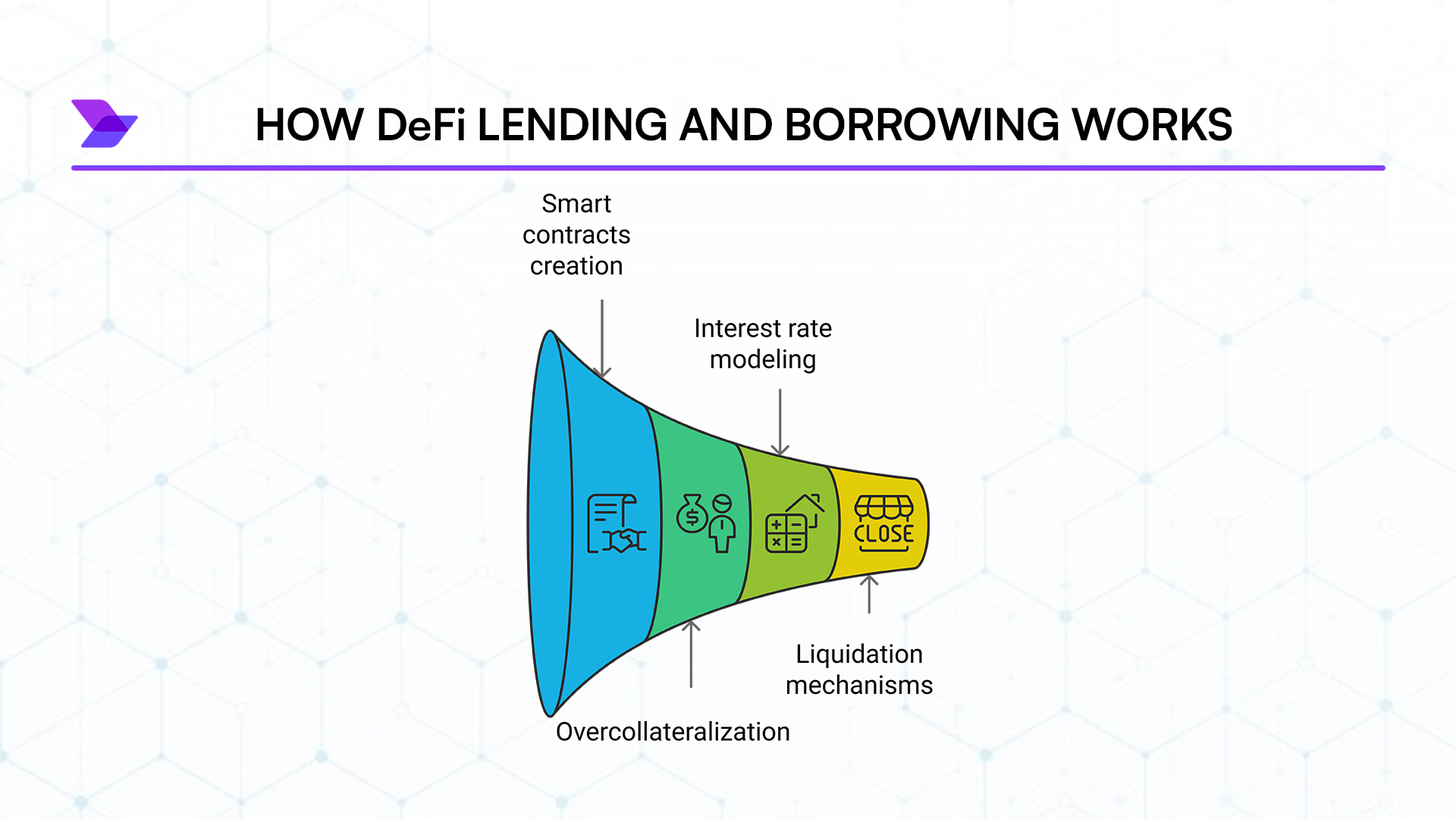
DeFi lending platforms like Aave and Compound have democratized borrowing and lending, but their permissionless nature amplifies vulnerabilities. A single exploit can evaporate millions; recall the $600 million Poly Network hack or Ronin Bridge's $625 million loss. Primary insurers such as Nexus Mutual step in with coverage for smart contract reinsurance, yet their capital pools face concentration risks if tethered to one chain or protocol. Enter on-chain reinsurance: diversified pools that tranche risk across DeFi, DePIN, and even real-world assets (RWAs), as highlighted by ChainScore Labs' designs for custom smart contracts.
Dissecting Risks in DeFi Lending Protocols
DeFi lending protocols confront a triad of perils: protocol-specific bugs, cross-protocol dependencies, and macroeconomic shocks. Underwriting models, per Block3 Finance's analysis, must quantify smart contract audit scores, TVL ratios, and historical claim frequencies. Yet, primary pools often underprice tail risks, leading to insolvency spirals. On-chain reinsurance pools mitigate this by requiring primary protocols to cede premiums into diversified reserves, enforcing capital adequacy through over-collateralization and automated rebalancing.
Mechanics of On-Chain Reinsurance Pools
At core, these pools operate as tokenized capital markets. Users deposit ETH, stablecoins, or yield-bearing tokens into DAO-governed vaults, earning premiums plus on-chain yields from staking or liquidity provision. Smart contracts automate risk transfer: primary insurers buy reinsurance capacity by staking pool tokens, with tranching separating senior (low-risk, low-yield) from junior (high-risk, high-reward) positions. ChainScore Labs emphasizes diversification; a pool siloed on Ethereum smart contract risk courts ruin, but one spanning Solana DeFi, Helium DePIN, and tokenized RWAs achieves actuarial stability.
"A reinsurance pool exposed only to smart contract risk on one chain is dangerously concentrated; survival requires spreading risk across DeFi, DePIN, and RWA. " - ChainScore Labs
This structure echoes Etherisc's flight delay insurance but scales to blockchain risk coverage for lending. Yields compound: CoinDesk reports pools accepting stakable assets generate dual returns, with recent Ethena-Re Protocol partnerships offering up to 23% APY on stablecoin deposits. Claims process via DAO votes or oracle attestations, often under 24 hours, dwarfing traditional reinsurance's opacity. For more on risk management, see how on-chain reinsurance enhances risk management in DeFi protocols.
Nexus Mutual DeFi Cover Highlights
- Over $6B in digital assets protected since 2019
- Smart contract hack coverage for DeFi protocols

- Claims processed in under 24 hours via on-chain mechanisms

- Expansion to on-chain reinsurance pools for risk transfer

Yield Generation and Capital Efficiency
Unlike idle TradFi reserves, on-chain pools activate capital. Depositors earn from insurance premiums, which primary protocols pay in protocol tokens or stables, plus background yields: 4-6% from ETH staking, 10% and from lending. Nexus Mutual, protecting over $6 billion since 2019, exemplifies this; its mutual model evolves into reinsurance layers, covering hacks and custody failures. ScienceDirect models underscore risk-averse agents preferring DeFi indemnity for lower costs, with reinsurance enabling finer pricing granularity via real-time TVL and volatility data.
RockawayX's 2026 guide to DeFi vaults aligns perfectly: these are the engines, auto-executing strategies while backstopping lending risks. Wiley's empirical study flags conundrums like moral hazard, solvable via time-locked claims and sybil-resistant governance. As adoption surges, pools like those from ChainScore Labs deploy across chains, pricing DeFi protocol insurance dynamically. Stake in a senior tranche for safety, or junior for alpha; either way, blockchain's auditability crushes opaque carriers. Partnerships like Ethena's signal institutional inflows, blending crypto yields with insurance economics for resilient growth.
Institutional players, sensing the shift, are piling in. On-chain private lending protocols, as Chainlink outlines, bypass over-collateralization norms by tapping reinsurance backstops, unlocking credit for RWAs without the 150% crypto haircuts. This convergence crafts on-chain reinsurance pools that not only cover DeFi lending risks but also fuel expansion into tokenized treasuries and supply-chain finance.
Case Studies: Nexus Mutual and Ethena-Re Protocol
Nexus Mutual stands as the vanguard, having shielded over $6 billion in assets since 2019 against smart contract hacks and protocol failures. Its evolution incorporates reinsurance layers, where members stake into diversified pools covering lending giants like Aave. Claims resolve via community governance in under 24 hours, a feat Etherisc mirrors in parametric DeFi products. The Ethena-Re Protocol alliance takes it further: depositors lock stablecoins into reinsurance vaults, harvesting 23% APY from premiums blended with synthetic dollar yields. This isn't speculative froth; it's actuarial precision, with real-time risk pricing via oracles ensuring solvency.
Comparison of Traditional Reinsurance vs. On-Chain Pools for DeFi Lending
| Aspect | Traditional | On-Chain |
|---|---|---|
| Settlement Time | Weeks to months | Under 24 hours ⏱️ |
| Capital Efficiency | Low (high reserves, intermediaries) | High (automated, yield-generating) 💰 |
| Transparency | Opaque (proprietary processes) | Full (on-chain, auditable) 🔍 |
| Yield Potential | Minimal | Up to 23% APY 📈 |
These models prove DeFi lending reinsurance isn't theoretical. ChainScore Labs' deployments enable primary insurers to offload tail risks to DAO pools, curtailing concentration dangers. A Block3 Finance-style underwriting lens reveals how TVL growth correlates with premium inflows, stabilizing junior tranches for aggressive yield hunters.
Navigating Challenges in On-Chain Reinsurance
Yet pitfalls persist. Moral hazard tempts over-leveraged lending, where protocols game liquidations knowing reinsurance looms. Wiley's analysis pinpoints this, advocating time-weighted claims and slashing mechanisms to align incentives. Concentration remains a specter; ChainScore Labs warns against single-chain exposure, pushing multi-asset diversification into DePIN networks like Helium or RWA tokenized bonds. Regulatory fog adds friction, but blockchain's immutability offers audit trails TradFi lacks. Parametric triggers, powered by Chainlink, sidestep disputes, paying out on verifiable on-chain events like TVL drops exceeding 30%.
“DeFi insurance pools typically accept ETH, BTC, or stablecoins, assets that themselves generate on-chain yield via staking, lending, or liquidity. . . ” - CoinDesk
Sybil attacks on DAOs? Zero-knowledge proofs and soulbound tokens fortify governance. The Geneva Association's assessment underscores DeFi's potential, provided reinsurance scales to match lending's $100 billion and TVL. For deeper dives, explore how tokenized reinsurance pools deliver real yield on-chain or how on-chain reinsurance protocols use blockchain to provide real-world insurance yields.
Yield Comparison: Traditional Reinsurers vs. On-Chain Reinsurance Pools
| Reinsurer Type | Yield (APY) | Yield Source | Examples |
|---|---|---|---|
| Traditional Reinsurers | 2-4% | Low-yield bonds | N/A |
| On-Chain Reinsurance Pools | Up to 23% | Stablecoin deposits in risk pools | Ethena-Re Protocol partnership, Nexus Mutual, Etherisc |
Capital efficiency shines brightest here. Traditional reinsurers hoard billions in low-yield bonds; on-chain pools redeploy premiums into yield farms, amplifying returns while maintaining capital adequacy. RockawayX vaults automate this, blending reinsurance staking with auto-compounding strategies. As 2026 unfolds, expect cross-chain bridges to federate pools, pricing smart contract reinsurance via universal risk oracles.
Forward momentum builds relentlessly. With exploits costing DeFi $3 billion last year alone, protocols crave these pools for investor confidence. Depositors gain uncorrelated yields, primaries offload volatility, and borrowers access deeper liquidity. This ecosystem, forged in code and consensus, redefines blockchain risk coverage, turning reinsurance from cost center to profit engine. Stake wisely; the protocols that integrate now will dominate tomorrow's lending landscape.




No comments yet. Be the first to share your thoughts!